Your office ceiling is more important than you might think. It’s not just the top of your workspace—it affects how you feel, how productive you are, and even the impression your clients get when they walk in.
Have you ever noticed how a dull, low ceiling can make the room feel cramped and uninspiring? Or how a well-designed ceiling can open up the space and boost your mood? You’ll discover simple yet powerful ways to transform your office ceiling.
By the end, you’ll know exactly how to create a workspace that feels brighter, more inviting, and helps you perform at your best. Keep reading to learn how your ceiling can change everything about your workday.
Benefits Of Office Ceilings
Office ceilings do more than cover the top of a room. They change how a space feels and works. Choosing the right office ceiling brings many benefits. These include better looks, sound control, and even work output.
Let’s explore the key benefits of office ceilings and how they impact daily office life.
Enhancing Aesthetics
Ceilings set the style of an office. Clean, smooth ceilings create a neat look. Patterns or textures add character and interest. Light colors make rooms feel bigger and brighter. A well-chosen ceiling design fits the office’s brand and mood. It makes the space more welcoming for workers and visitors.
Improving Acoustics
Noise can distract and reduce focus. Office ceilings with sound-absorbing materials lower noise levels. They stop sounds from bouncing around the room. This creates a quieter, calmer environment. Workers can talk on calls or concentrate without disturbance. Good acoustics also improve privacy between work areas.
Boosting Productivity
Comfort affects how well people work. A ceiling that controls light and sound helps staff focus better. Better lighting reduces eye strain and tiredness. Less noise means fewer interruptions and faster work. A pleasant ceiling adds to overall comfort. This can lead to higher motivation and better results.
Popular Ceiling Styles
Office ceilings play a big role in the look and feel of a workspace. Different ceiling styles bring unique vibes and benefits. Choosing the right style can improve lighting, sound, and comfort. Below are some popular ceiling styles often seen in offices.
Suspended Ceilings
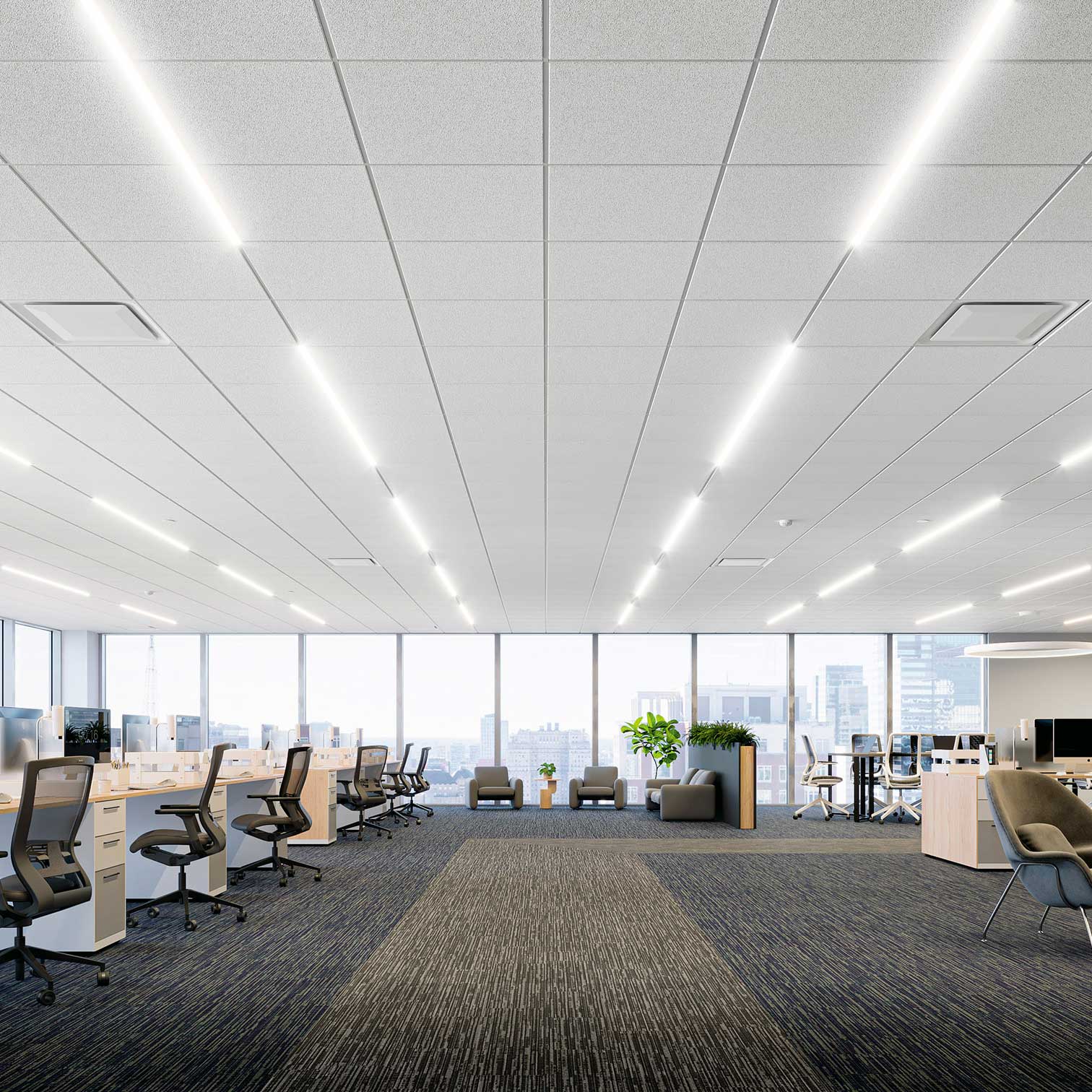
Suspended ceilings are common in offices. They hang below the main ceiling using a metal grid. This style hides wires, pipes, and ductwork. Tiles fit into the grid and can be replaced easily. Suspended ceilings also improve sound absorption. They create a clean, organized look.
Exposed Ceilings
Exposed ceilings show the building’s pipes, ducts, and beams. This style gives an industrial and modern feel. It often makes the room look taller and more spacious. Exposed ceilings need good painting and lighting to look neat. They are popular in creative and tech offices.
Coffered Ceilings
Coffered ceilings have sunken panels arranged in a grid or pattern. This style adds depth and character to the room. It works well in formal office spaces or meeting rooms. Coffered ceilings can improve sound control. They add a touch of elegance without being too fancy.
Wood Panel Ceilings
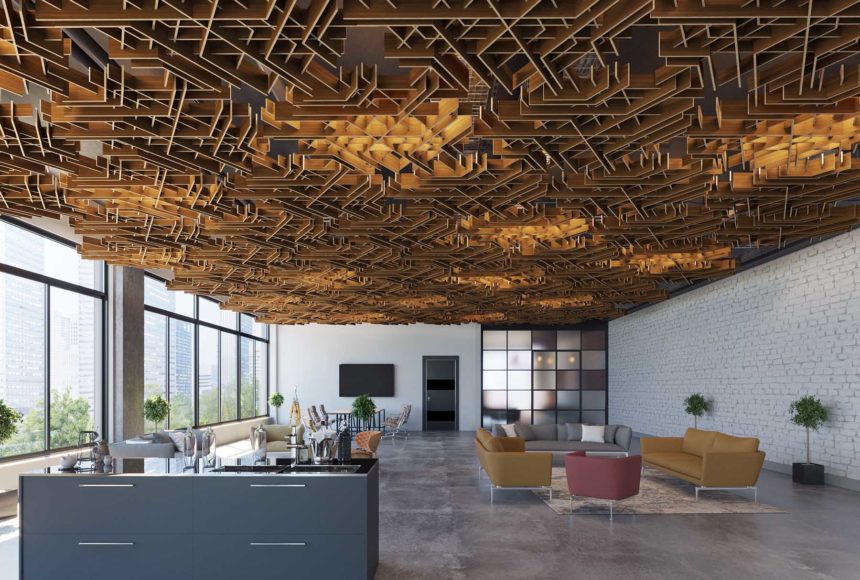
Wood panel ceilings bring warmth and natural beauty to offices. They can be made from solid wood or wood-look materials. This style adds texture and color to the ceiling space. Wood panels also help with sound absorption. They fit well in offices wanting a cozy, inviting atmosphere.
Material Choices
Choosing the right material for your office ceiling affects both style and function. The ceiling must suit the room’s purpose and look professional. Different materials offer unique benefits like durability, sound control, and design options. Understanding these options helps pick the best fit for your space.
Metal Options
Metal ceilings give a modern and sleek look. They last long and resist damage from moisture or fire. Metals like aluminum or steel are light yet strong. They reflect light well, making rooms feel brighter. Metal panels are easy to clean and maintain.
Wood And Laminate
Wood ceilings add warmth and natural charm. Real wood can be costly but looks rich and inviting. Laminate is a cheaper alternative that mimics wood’s appearance. Both materials improve room acoustics by reducing echo. Wood and laminate suit offices wanting a cozy feel.
Acoustic Tiles
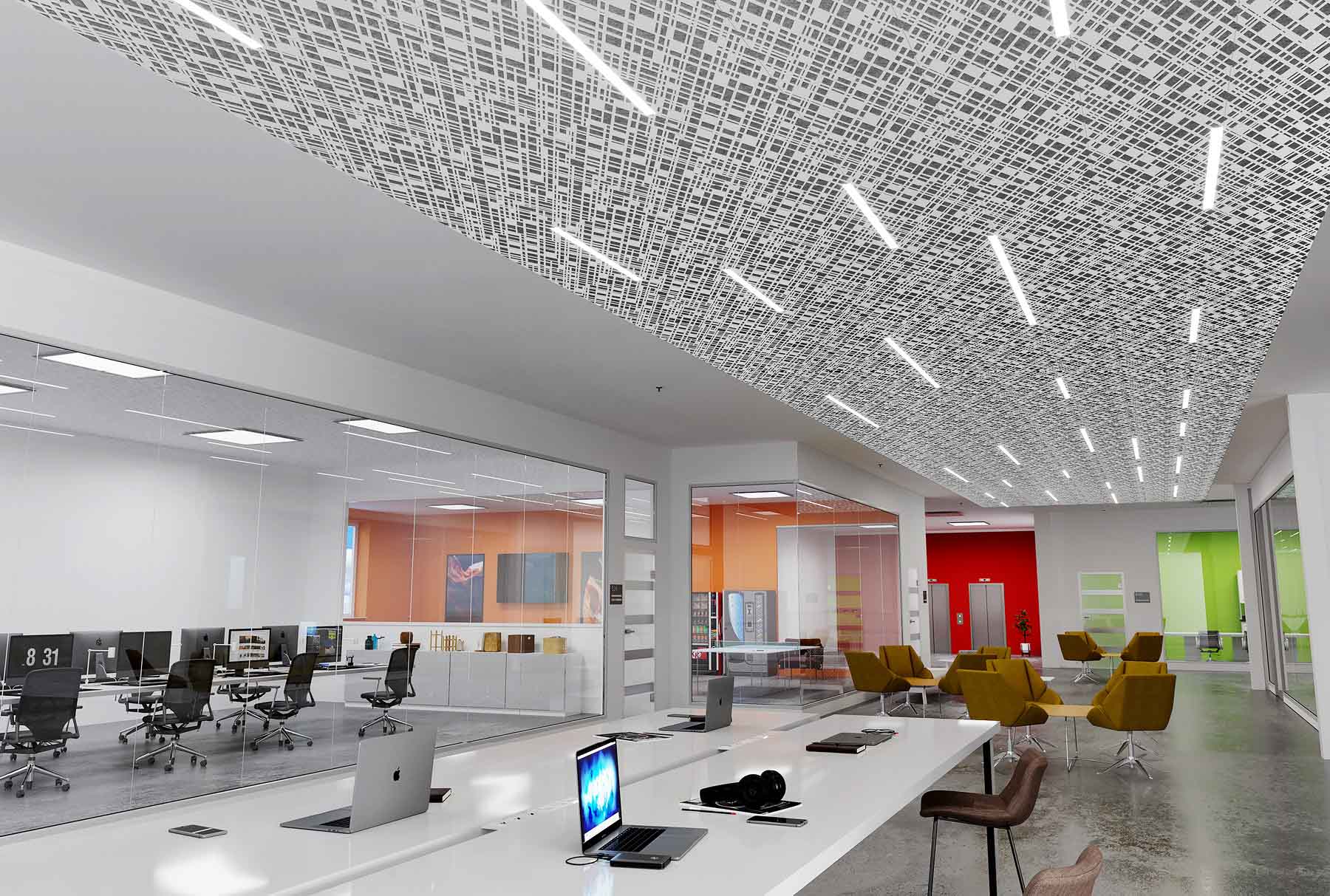
Acoustic tiles absorb sound and reduce noise levels. They create a quiet, focused work environment. These tiles come in various shapes and colors. Installation is simple and can hide wires or pipes above. Acoustic tiles fit offices needing better sound control.
Eco-friendly Materials
Eco-friendly ceilings use recycled or natural products. Bamboo, cork, and recycled metal are popular choices. These materials lower environmental impact and improve air quality. Sustainable ceilings attract businesses that value green practices. They offer both beauty and responsibility.
Credit: arktura.com
Lighting Integration
Lighting integration in office ceilings shapes the work environment. Good lighting reduces eye strain and boosts focus. Properly designed lighting creates a comfortable and inviting space for employees. Brightness and placement play a big role in productivity and mood.
Recessed Lighting
Recessed lighting fits flush with the ceiling. It offers a clean, modern look without hanging fixtures. This type of lighting spreads light evenly across the room. It works well in offices needing subtle illumination without distractions.
Led Panels
LED panels provide bright, uniform light. They use less energy than traditional bulbs, saving costs. Panels fit into drop ceilings and deliver soft, glare-free light. This option helps maintain a calm, professional office atmosphere.
Pendant Fixtures
Pendant fixtures hang from the ceiling and add style. They focus light on specific areas like desks or meeting tables. These fixtures can brighten work zones and add character to the office design. They mix function with visual appeal.
Natural Light Enhancements
Natural light boosts mood and cuts electricity use. Skylights or light tubes bring sunlight inside. Reflective ceiling surfaces help spread natural light deeper into rooms. This approach creates a fresh, airy workspace.
Color And Texture Ideas
Choosing the right color and texture for an office ceiling changes the entire room. It sets the mood and affects how people feel while working. The ceiling is not just a plain surface anymore. It can be a design feature that adds style and comfort. Below are ideas to inspire your office ceiling makeover.
Bold And Bright Palettes
Bright colors bring energy to any office space. Shades like vibrant blue, sunny yellow, or rich red make ceilings stand out. These colors create a lively and creative atmosphere. Use bold hues in creative zones or meeting rooms to spark ideas. Bright colors also help make small rooms feel larger and more open.
Neutral And Minimalist
Neutral colors create calm and focus. Whites, grays, and beiges suit professional offices well. They reflect light and make rooms appear clean and spacious. Minimalist ceilings avoid distractions and keep the focus on work. This style fits well with modern furniture and simple décor.
Textured Surfaces
Textures add depth and interest to ceilings. Materials like wood panels, plaster, or acoustic tiles create a tactile look. Textured ceilings can soften noise and improve room comfort. They also hide imperfections better than flat surfaces. Choose subtle textures for a sophisticated, cozy feel.
Patterns And Designs
Patterns make ceilings eye-catching and unique. Geometric shapes, stripes, or floral motifs add personality. These designs work well in creative offices or lounges. Use stencils or wallpaper for easy pattern application. Patterns break monotony and create a dynamic office vibe.
Credit: arktura.com
Installation Tips
Installing an office ceiling requires careful attention to detail. Proper steps ensure a smooth process and a great result. Follow these tips for a successful installation.
Measuring And Planning
Start by measuring the room accurately. Use a tape measure to get the length and width. Write down the numbers clearly. Plan the layout before buying materials. Consider lighting fixtures and vents. Mark where tiles or panels will go. This step helps avoid mistakes and waste.
Choosing Professionals
Find skilled installers with good reviews. Ask for references or examples of past work. Professionals have the right tools and experience. They complete the job faster and safer. Hiring experts reduces risks of damage. You get a neat and durable ceiling.
Diy Considerations
Check if you have time and skills for DIY. Read instructions and watch tutorials. Gather all materials before starting. Work with a partner for safety. Take breaks to avoid mistakes. Be patient and follow steps carefully.
Maintenance Advice
Keep the ceiling clean by dusting regularly. Use a soft cloth or vacuum with a brush. Fix small damages quickly to prevent bigger problems. Check for water leaks or stains often. Proper care extends the ceiling’s life. It keeps your office looking fresh and professional.
Cost Factors
Understanding the cost factors of office ceilings helps plan your budget well. The total cost depends on several key elements. These include the materials used, the labor involved, and the long-term value of the ceiling. There are also cheaper options to consider that fit smaller budgets. Each factor plays a role in the final price.
Material Expenses
Material costs vary widely for office ceilings. Common choices include tiles, metal panels, and plaster. Some materials are more durable but cost more upfront. Others are cheaper but may need replacement sooner. Quality and style also influence price. Picking the right material balances cost and appearance.
Labor Costs
Labor is a large part of the ceiling cost. Skilled workers charge more but ensure proper installation. Complex ceiling designs take longer and raise labor fees. Simple, standard layouts reduce labor time. Location and contractor rates also affect labor prices.
Long-term Investment
Think about how long the ceiling will last. Durable ceilings need less repair and replacement. This saves money over time. Energy-efficient ceilings can lower heating and cooling costs. Investing a bit more upfront often means less spending later.
Budget-friendly Alternatives
Many affordable ceiling options exist for tight budgets. Basic ceiling tiles and simple drywall are cost-effective. DIY installation can cut labor costs. Choose materials that still look good but cost less. Small changes can keep your office ceiling budget-friendly.
Case Studies
Office ceilings impact more than just looks. They affect sound, light, and comfort. Real examples show how different ceilings work well in various workplaces. These case studies reveal smart ceiling choices that improve office spaces.
Modern Tech Offices
Tech offices need quiet places for focus. Acoustic ceiling panels reduce noise and echo. Sleek metal ceilings add a modern touch. Bright LED lights in ceilings help keep energy up. These ceilings create calm, bright spaces for tech teams.
Creative Studios
Creative studios want open, inspiring rooms. Exposed beam ceilings give an artistic feel. Soft, fabric ceilings absorb sound for better recording. Colorful ceiling tiles add fun and energy. These ceilings help artists and designers feel free and focused.
Corporate Environments
Corporate offices need clean, professional looks. Drop ceilings hide wires and ducts neatly. White, smooth panels reflect light and brighten rooms. Ceilings with built-in air vents improve airflow. These choices keep the office tidy and efficient.
Co-working Spaces
Co-working spaces require flexible, inviting ceilings. Movable ceiling panels allow easy space changes. Wooden slats create warm, natural vibes. Sound-absorbing materials reduce noise in shared areas. These ceilings support teamwork and comfort for all users.
Credit: kanopibyarmstrong.com
Frequently Asked Questions
What Are Common Materials For Office Ceilings?
Office ceilings often use materials like acoustic tiles, gypsum board, metal panels, and suspended grid systems. These materials improve sound absorption, durability, and aesthetics. Choosing the right material depends on budget, office design, and noise control needs.
How Does Office Ceiling Design Impact Productivity?
A well-designed ceiling enhances lighting, acoustics, and air circulation. Good acoustics reduce noise distractions, improving focus. Proper lighting boosts mood and energy. Together, these factors create a comfortable workspace that supports employee productivity.
What Maintenance Is Required For Office Ceilings?
Regular cleaning, inspection for damage, and timely repairs keep ceilings in good condition. Replace broken tiles and check for water leaks or mold. Routine maintenance ensures safety, appearance, and prolongs ceiling lifespan.
Can Office Ceilings Improve Energy Efficiency?
Yes, office ceilings can improve energy efficiency by enhancing insulation and reflecting light. Using reflective ceiling panels reduces the need for artificial lighting. Proper insulation helps maintain temperature, lowering heating and cooling costs.
Conclusion
Choosing the right office ceiling improves comfort and style. It affects light, sound, and air flow in your workspace. Simple changes can make a big difference in mood and focus. Think about materials that fit your needs and budget. A good ceiling keeps the office fresh and productive.
Small details create a better place to work every day. Take time to pick what suits your office best. Your ceiling matters more than you might think.