Are you struggling to turn your space into the home or office you’ve always dreamed of? Finding the perfect interior decorator can change everything.
The right expert understands your style, listens to your needs, and brings your vision to life with ease. Imagine walking into a room that feels just right—welcoming, stylish, and truly yours. You’ll discover how to choose the perfect interior decorator who can transform your space without stress or guesswork.
Keep reading to unlock the secrets to creating a space you’ll love every day.
Choosing Your Decor Style
Choosing your perfect interior decorator style sets the tone for your entire space. It reflects who you are and how you live. A clear style helps make decisions easier. Your home should feel like you. It should bring comfort and joy every day.
Popular Interior Design Styles
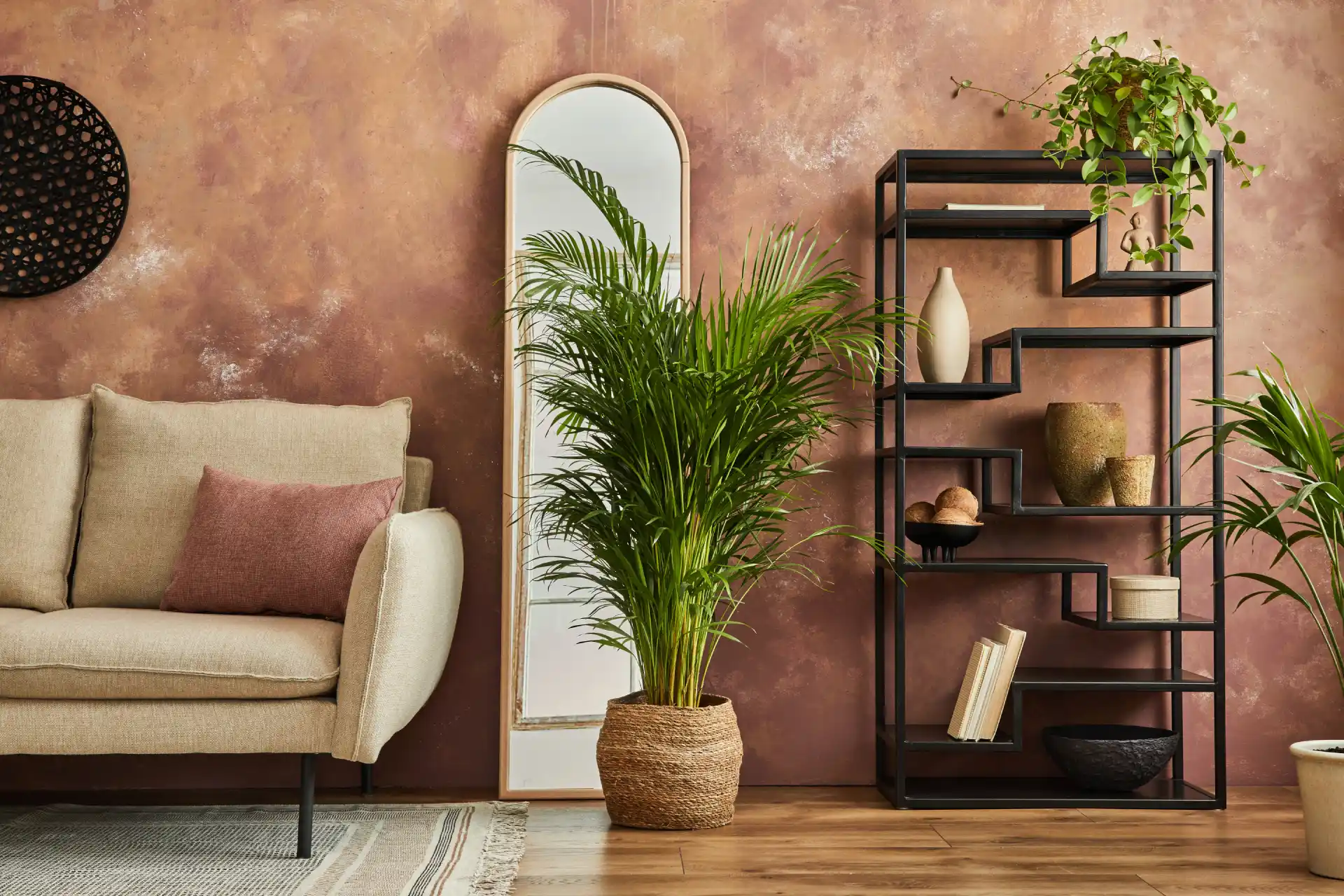
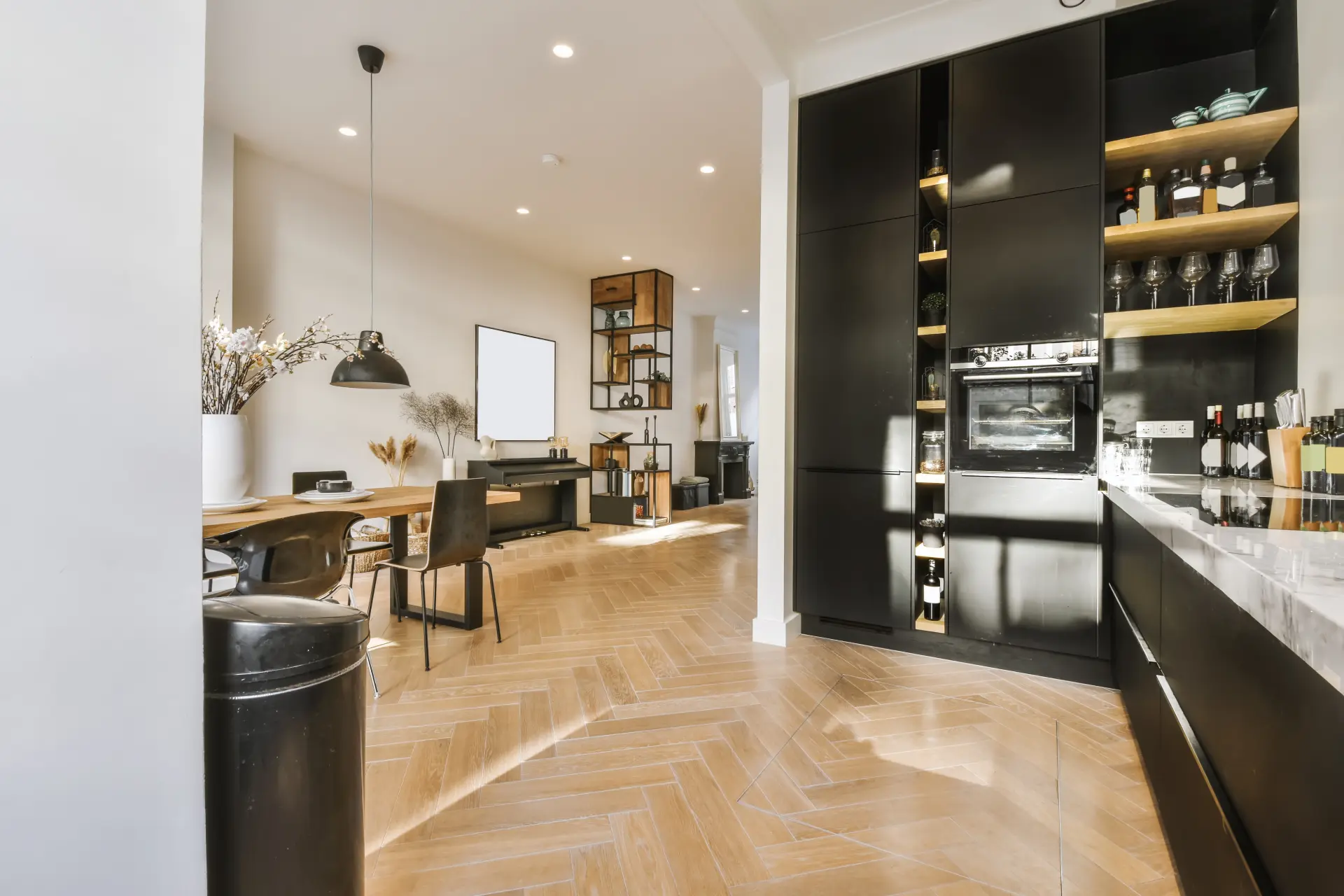
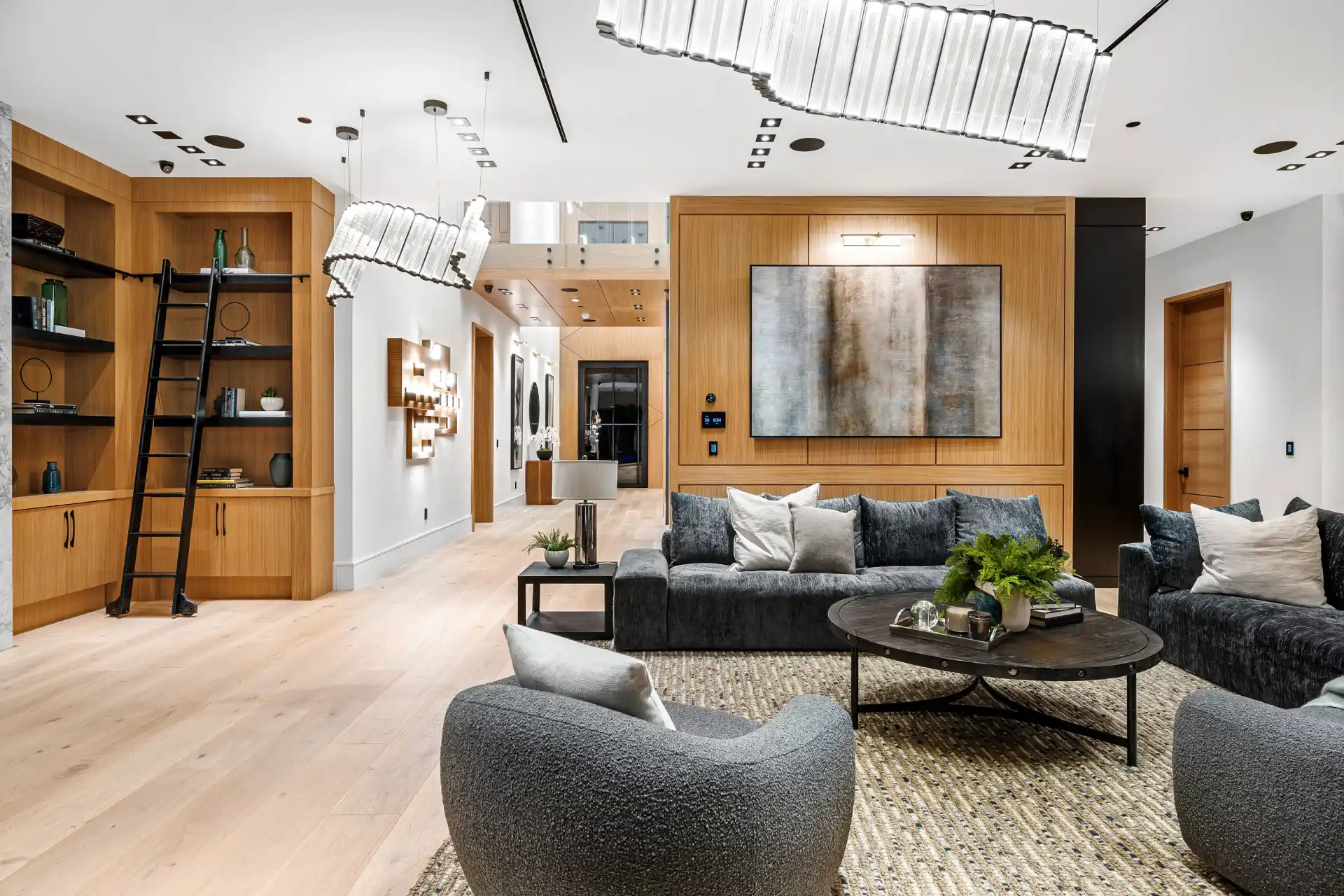
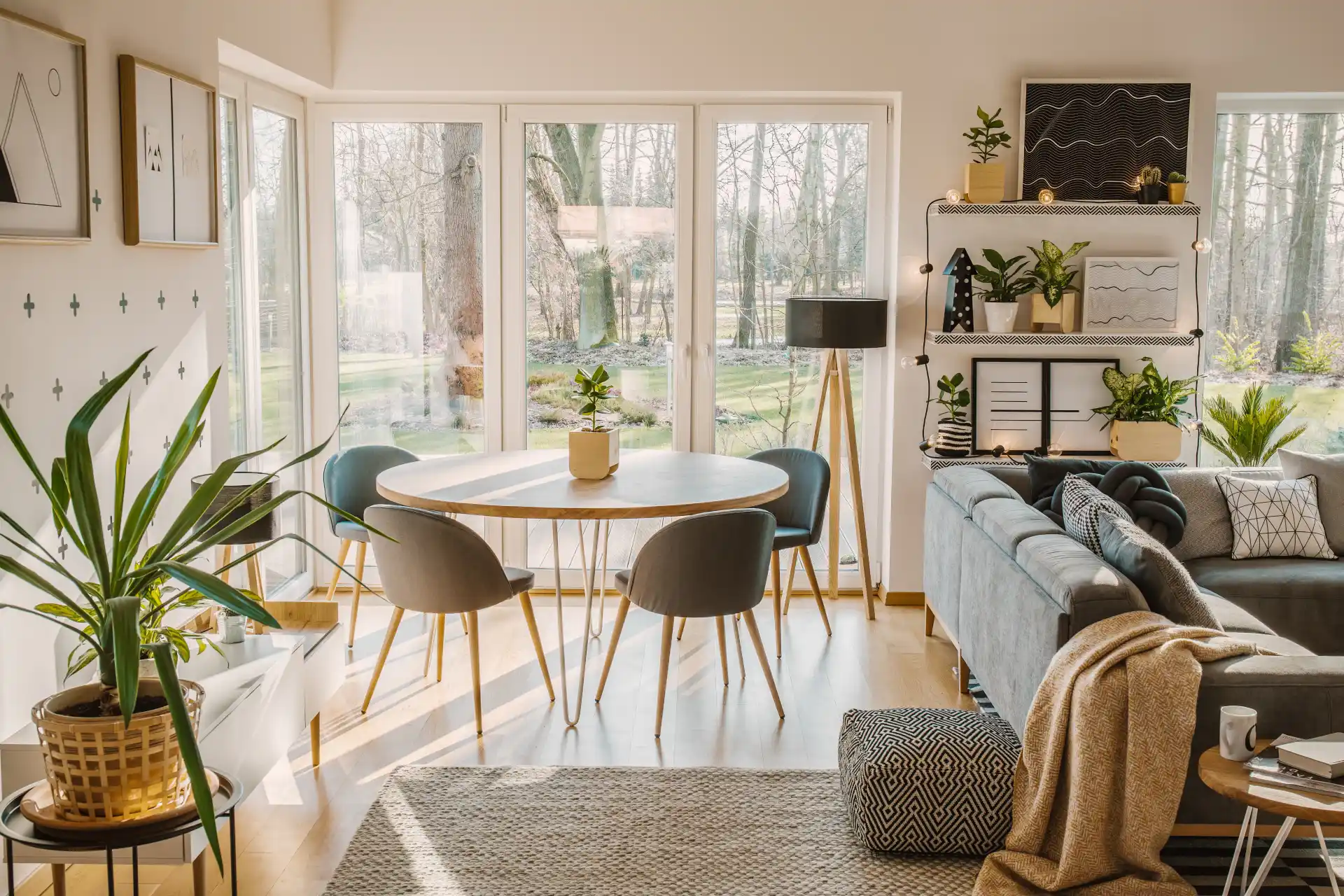
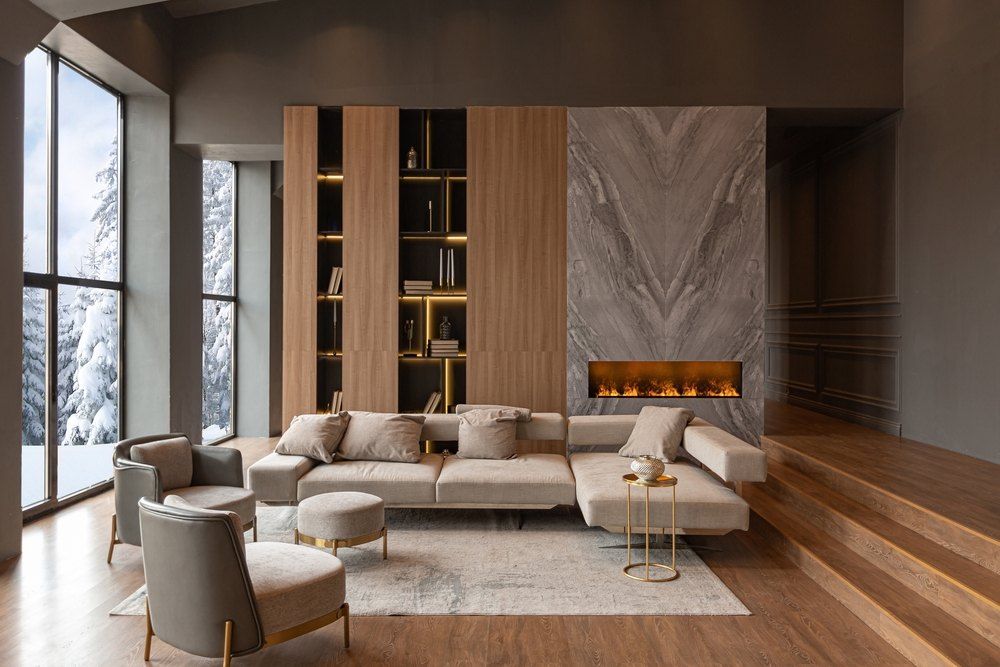
Many styles suit different tastes and needs. Modern design uses clean lines and simple shapes. It feels fresh and open. Traditional style has rich colors and classic furniture. It feels warm and cozy. Scandinavian style focuses on light colors and natural materials. It creates calm and bright spaces. Bohemian style mixes patterns and colors freely. It feels creative and personal. Choose a style that speaks to you.
Matching Style To Personality
Your personality shapes your home’s look. Are you calm and simple? Minimalist style may fit you. Do you love color and fun? Eclectic style might be best. Think about your daily habits too. Do you entertain often or prefer quiet? Your home should support your life. This makes it easier to enjoy your space.
Trends Vs. Timeless Looks
Trends change fast and catch attention. They add fresh and bold ideas. Timeless styles stay good for years. They use classic colors and shapes. Mixing both can work well. Use trends in small ways. Keep the main pieces classic. This way, your home feels current but lasts long.
Credit: planner5d.com
Selecting The Right Decorator
Selecting the right interior decorator is key to creating a beautiful space. The right professional understands your style and needs. They help bring your vision to life with skill and creativity.
Choosing carefully saves time and money. It also ensures your space feels comfortable and reflects your personality. Take time to learn what makes a good decorator and how to find one near you.
Qualities Of A Skilled Decorator
A skilled perfect interior decorator listens carefully to your ideas. They offer creative solutions that fit your budget. Good communication is important. They explain choices clearly and keep you updated.
Attention to detail matters. They select colors, furniture, and accessories that work well together. Experience in different styles helps them adapt to your taste. Reliability and professionalism show they respect your time.
Finding Local Experts
Search for decorators in your area to save travel costs. Local experts know the best shops and suppliers nearby. They understand local trends and building rules. Ask friends or check community boards for recommendations.
Visit home shows or design fairs to meet decorators face-to-face. Many offer free consultations to discuss your project. Use online directories to find verified professionals close to you.
Checking Portfolios And Reviews
Portfolios show a decorator’s past work and style. Look for projects similar to your needs. This helps you see their skills and creativity. Reviews reveal how others felt about their service.
Read both positive and negative feedback. Note how the decorator responds to criticism. This shows their professionalism and willingness to improve. Choose someone with strong, consistent praise.
Budgeting For Interior Design
Budgeting for interior design is a key step in any home project. It helps control costs and ensures the project finishes on time. A clear budget keeps your choices practical and avoids overspending. It also guides you to focus on what matters most in your space.
Setting A Realistic Budget
Start by knowing how much you can spend. Think about your income and savings. Factor in all costs, like materials, labor, and furniture. Be honest about what you can afford. Leave a small extra amount for surprises. This prevents stress and delays later.
Allocating Funds Wisely
Divide your budget into parts for each room or task. Spend more on key areas like living rooms or kitchens. Save on smaller details like decor or paint. Prioritize items that improve comfort and style. This keeps your space balanced and attractive.
Avoiding Common Costly Mistakes
Avoid rushing decisions. Poor planning often leads to extra expenses. Don’t skip measuring your space properly. Wrong sizes waste money on wrong furniture or materials. Avoid buying cheap items that wear out fast. They cost more to replace later.
Planning Your Space Layout
Planning your space layout is the first step to a beautiful and useful home. It helps you use every inch wisely. Good planning makes rooms feel open and easy to move around. It also creates a balance between how a room looks and how it works.
Smart layout planning avoids clutter and confusion. It guides you to place furniture and accessories in the right spots. This makes your home comfortable and welcoming for everyone.
Optimizing Room Flow
Room flow means how people move through a space. A good flow stops people from bumping into furniture. It keeps paths clear and wide enough to walk through easily. Place big items like sofas and tables away from doorways and walkways. This allows smooth movement and makes rooms feel larger.
Balancing Function And Aesthetics
Rooms should look nice and work well. Choose furniture that fits the space and your needs. Avoid too many pieces that crowd the room. Use colors and styles that match each other. This creates a calm and pleasing space that also serves its purpose well.
Incorporating Storage Solutions
Storage helps keep rooms neat and tidy. Use shelves, cabinets, and baskets to hide clutter. Think about built-in storage to save space. Good storage keeps items organized and easy to find. This makes your home feel clean and open.
Color And Material Choices
Choosing the right colors and materials is key to great interior design. These choices set the mood and style of any room. They help create a space that feels balanced and inviting. Good color and material choices bring life and character to your home.
Creating Color Palettes
Start with a main color that fits the room’s purpose. Pick two or three colors that work well together. Use lighter shades to make the room feel bigger. Darker shades add warmth and depth. Balance bright colors with neutral tones. Test colors in different lighting before deciding.
Mixing Textures And Finishes
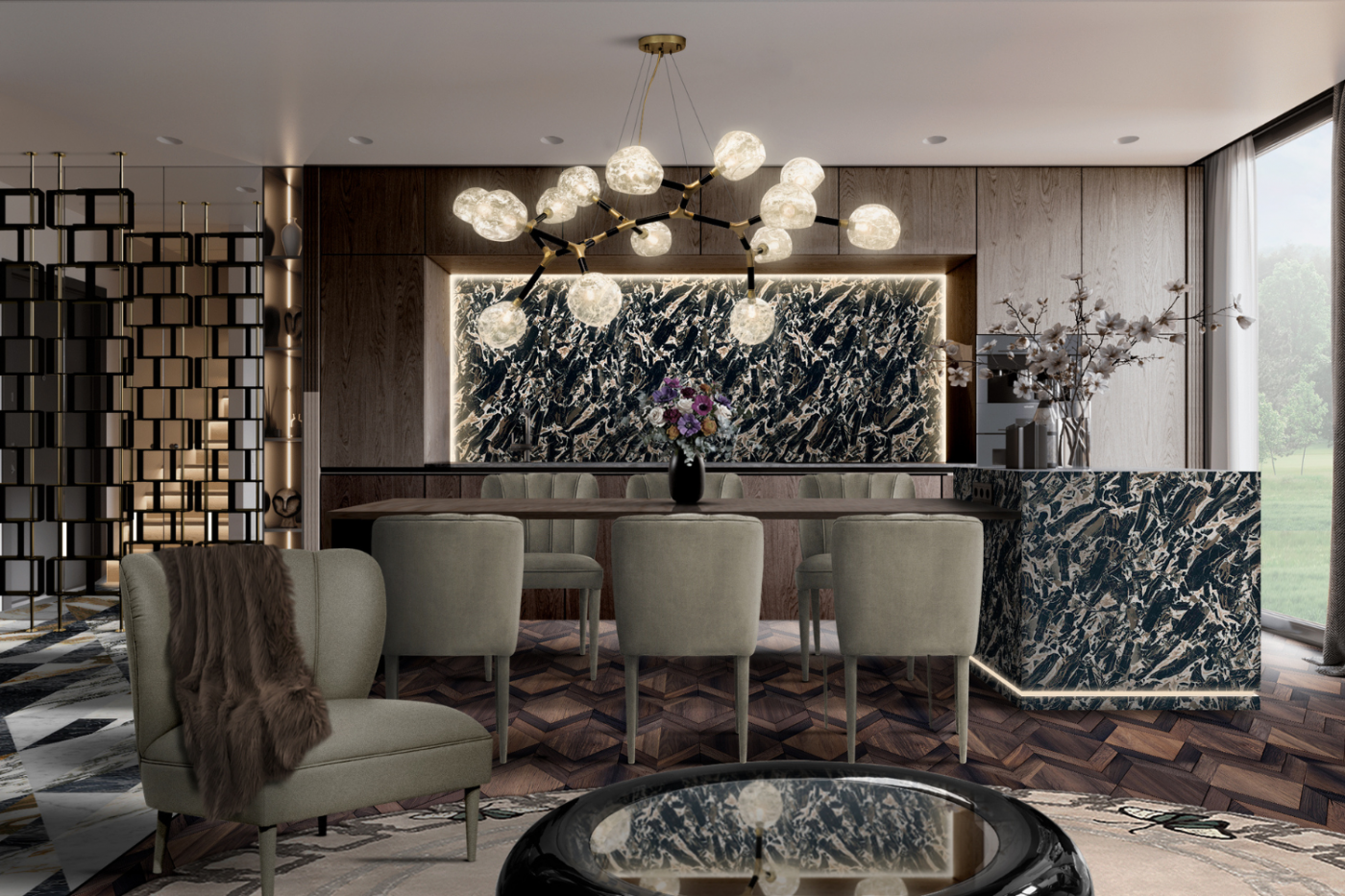
Combine smooth and rough textures to add interest. Use soft fabrics like velvet with hard surfaces like wood. Matte finishes create a calm feel. Glossy finishes add shine and energy. Mixing textures helps the space feel more natural and cozy.
Selecting Sustainable Materials
Choose materials that are eco-friendly and last long. Bamboo, cork, and reclaimed wood are good options. Natural fibers like cotton and wool are better than synthetics. Sustainable materials reduce waste and help the planet. They also add unique beauty to your space.
Credit: www.bocadolobo.com
Furniture And Accessories
Furniture and accessories shape the heart of any room. They bring life, color, and personality to spaces. Choosing the right pieces makes a room feel both cozy and stylish. The perfect interior decorator knows how to balance function with beauty. This balance creates a welcoming space for everyone.
Choosing Statement Pieces
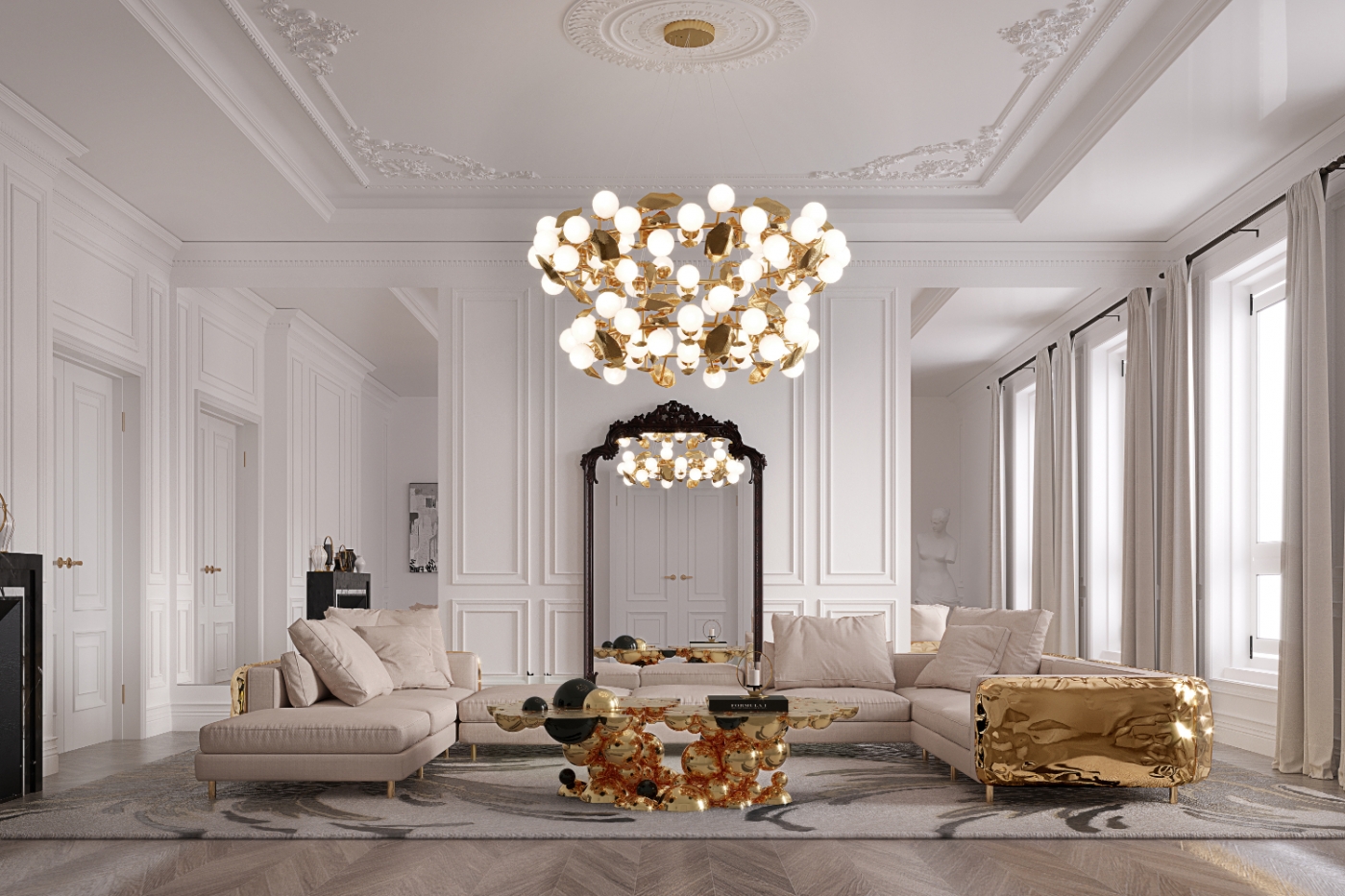
Statement pieces catch the eye and set the tone. Pick furniture with bold colors or unique shapes. A bright sofa or an unusual chair can lift the whole room. These pieces show your style without saying a word. Do not overcrowd the room with many statement items. One or two can create a strong impact.
Layering With Accessories
Accessories add texture and depth to your decor. Use cushions, rugs, and curtains to bring warmth. Mix different materials like wood, metal, and fabric. Small items like vases or lamps make the space inviting. Layering these creates a rich, lived-in feel. Choose colors that match or contrast gently with furniture.
Arranging For Comfort And Style
Arrange furniture to make the room easy to use. Leave enough space to move around comfortably. Group seating to encourage conversation and connection. Balance heavy pieces with lighter ones to avoid clutter. Place accessories where they enhance, not block, views. Comfort and style work best when they go hand in hand.
Lighting To Enhance Ambiance
Lighting shapes the mood of any room. It can make spaces feel warm, cozy, or bright and lively. Perfect interior decorators know how to use light to create the right ambiance. Careful choices in lighting help highlight colors, textures, and room features. This makes the space inviting and comfortable for everyone.
Types Of Lighting Fixtures
Different fixtures serve different purposes in a room. Ceiling lights spread light evenly across the space. Wall sconces add soft, indirect light to create calmness. Table lamps offer focused light for reading or work. Pendant lights bring style and bright light over dining tables or kitchen islands. Each fixture type changes how a room feels.
Using Natural Light Effectively
Natural light makes rooms look fresh and open. Large windows and glass doors bring in sunlight that lifts the mood. Light curtains soften harsh rays without blocking the light. Mirrors reflect daylight into darker corners. Positioning furniture near windows helps people enjoy natural light longer. This brightens rooms and saves energy.
Lighting For Different Activities
Different tasks need different lighting levels. Bright light suits cooking and cleaning. Soft light works well for relaxing or watching TV. Study areas require focused, clear light to avoid eye strain. Adjustable lights offer flexibility for many uses. Correct lighting keeps spaces practical and pleasant throughout the day.
Personalizing Your Space
Personalizing your space makes your home truly yours. It reflects who you are and what you love. A well-decorated room feels warm and inviting. It shows your style and personality clearly.
Incorporating Art And Decor Items
Choose art that speaks to you. Paintings, photos, and sculptures add character. Small decor items like vases or candles give charm. These pieces make your space unique and alive.
Reflecting Your Lifestyle
Think about what you do daily. If you love reading, add a comfy chair and bookshelf. For music lovers, display instruments or records. Let your hobbies guide your room design.
Creating Cozy Corners
Find a quiet spot in your home. Add soft pillows and warm blankets. Use gentle lighting like lamps or fairy lights. These corners invite relaxation and comfort after a long day.
Maintaining Your Decor
Maintaining your decor keeps your home fresh and welcoming. It helps your space feel clean and organized. Regular care prevents damage and saves money. Small efforts make a big difference. Let’s explore easy ways to care for your interior design.
Cleaning And Upkeep Tips
Dust surfaces often to stop buildup. Use soft cloths to protect finishes. Vacuum rugs and upholstery regularly. Clean spills quickly to avoid stains. Check furniture for loose parts or scratches. Keep windows clean for natural light. Maintain plants by watering and trimming.
Refreshing Your Space Seasonally
Change cushions and throws with each season. Swap heavy curtains for lighter ones in summer. Add warm colors and cozy textures in winter. Rearrange furniture to improve flow and light. Use seasonal decor to add variety. Fresh flowers brighten any room. Rotate artwork or photos for new looks.
Adapting To Changing Needs
Adjust your space as your family grows. Create work areas for study or remote jobs. Replace worn items with new, matching pieces. Consider flexible furniture for small spaces. Add storage solutions to reduce clutter. Keep your style but improve comfort. Make your home fit your life better.
Credit: www.bocadolobo.com
Frequently Asked Questions
What Skills Make A Perfect Interior Decorator?
A perfect interior decorator blends creativity with technical knowledge. They understand color theory, space planning, and client needs. Strong communication and project management skills are also essential. These skills ensure functional, stylish, and personalized interiors that reflect the client’s vision.
How To Choose The Right Interior Decorator?
Choose an interior decorator by reviewing portfolios and client testimonials. Ensure their style matches your preferences. Verify their certifications and experience. A good decorator listens well and communicates clearly. Budget transparency and timeline management are also important factors to consider.
What Services Do Interior Decorators Offer?
Interior decorators offer space planning, color consultation, furniture selection, and decoration advice. They source materials, coordinate with contractors, and manage budgets. Their goal is to create cohesive, appealing interiors that fit client lifestyles and preferences. Services vary from simple advice to full project management.
How Much Does Hiring An Interior Decorator Cost?
Costs vary by project size, decorator experience, and location. Some charge hourly rates, others a flat fee or percentage of the budget. On average, expect $50 to $200 per hour. Clear cost discussions upfront help avoid surprises and keep projects on budget.
Conclusion
Choosing the perfect interior decorator makes a big difference. They bring your ideas to life with skill and care. A good decorator knows how to use space and color well. Your home feels cozy, stylish, and just right. Trusting an expert saves time and avoids costly mistakes.
Enjoy a space that reflects your style and needs. Small changes can create a fresh, inviting look. Let your home tell your story through thoughtful design.