Are you looking for a simple way to transform your bedroom into a cozy, stylish retreat? Bed paneling might be the perfect solution for you.
It adds texture, warmth, and personality to your space without needing a full makeover. Imagine waking up every day to a room that feels inviting and uniquely yours. You’ll discover how bed paneling can change the look and feel of your bedroom, easy ideas to get started, and tips to make it fit your style perfectly.
Keep reading to find out how a small change can make a big impact on your comfort and happiness.

Credit: www.youtube.com
Benefits Of Bed Paneling
Bed paneling offers many benefits that transform a bedroom. It brings style and function together in one feature. This simple addition can change the room’s feel and look. It also helps create a cozy and inviting space. Here are some key benefits of bed paneling.
Enhancing Bedroom Aesthetics
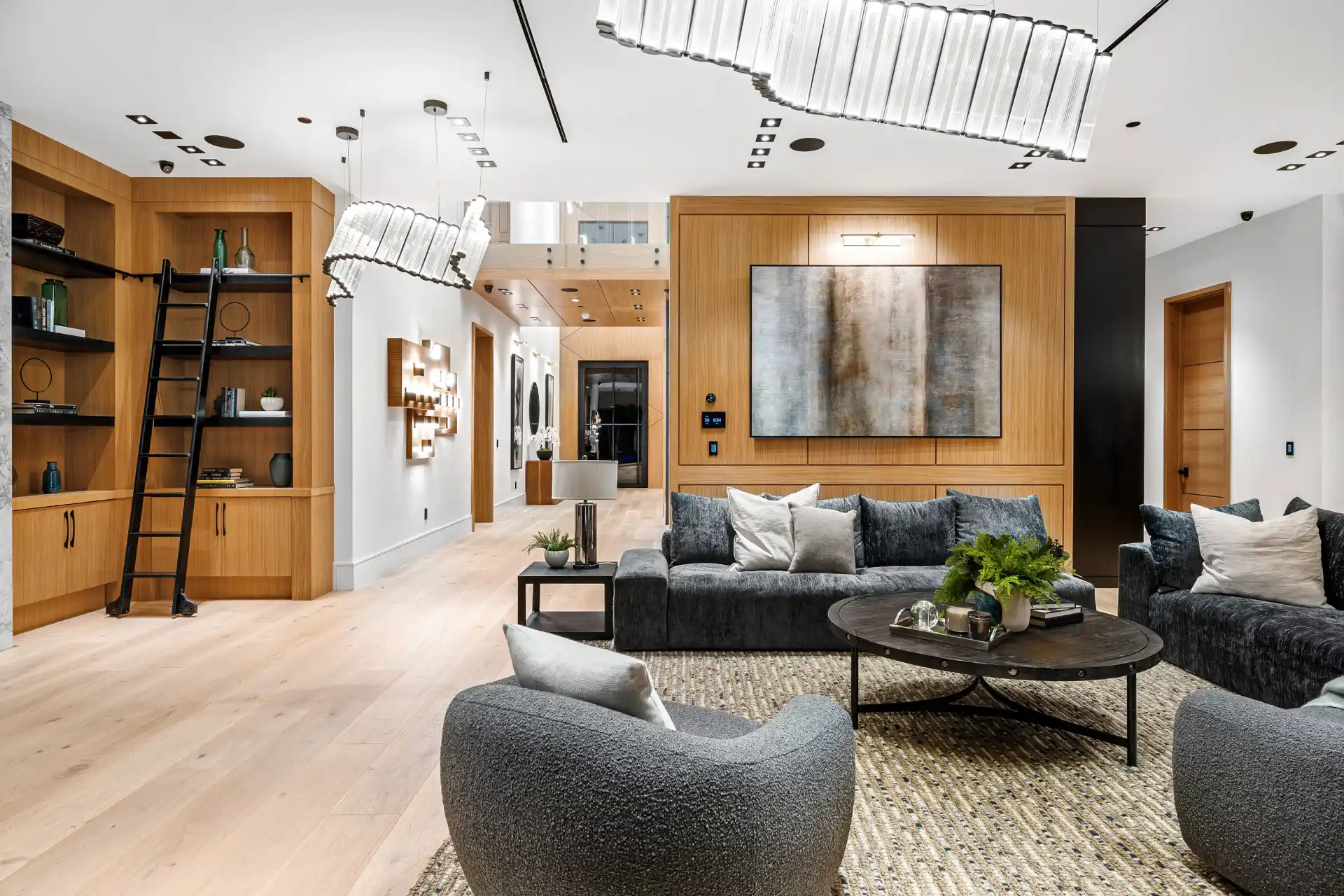
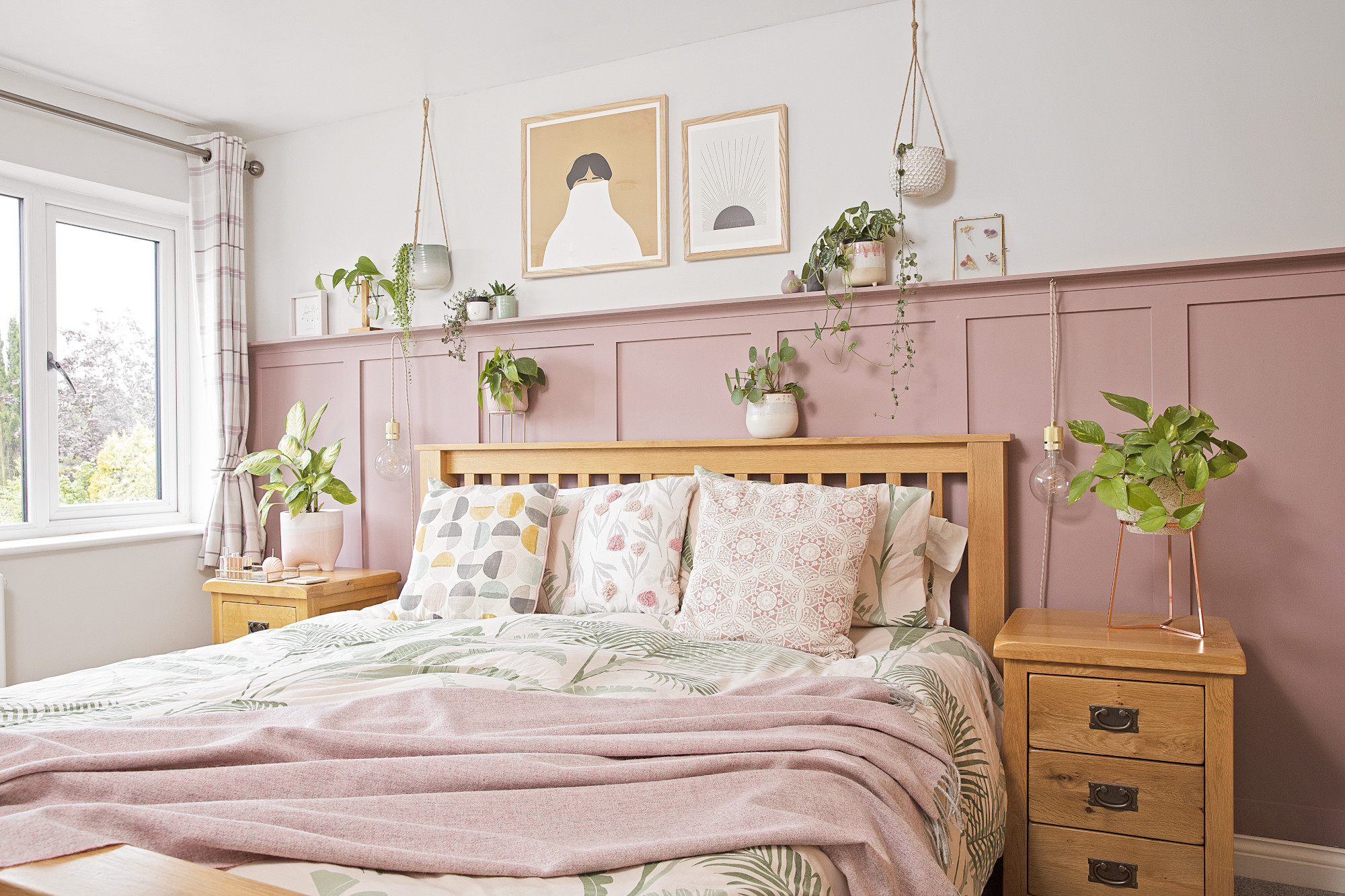
Bed paneling adds a stylish touch to any bedroom. It creates a focal point behind the bed. Panels come in many designs and colors to match your style. They can make a room look modern or classic. This upgrade lifts the room’s overall appearance quickly and easily.
Adding Texture And Depth
Flat walls can seem dull and plain. Bed paneling brings texture and depth to the space. It creates shadows and highlights that add interest. This makes the bedroom feel more warm and inviting. Different materials like wood, fabric, or leather add unique textures.
Improving Room Acoustics
Bed paneling helps reduce noise inside the bedroom. It absorbs sound and limits echo. This creates a quieter and more peaceful space. Soft materials like fabric panels work best for this purpose. Better acoustics improve rest and relaxation during sleep.
Popular Bed Paneling Materials
Choosing the right material for bed paneling shapes your bedroom’s style and comfort. Popular materials offer unique looks and feel. Each type fits different tastes and budgets. Understanding these options helps pick the best fit for your space.
Materials vary in texture, durability, and maintenance needs. Some bring warmth, others add modern flair. Some blend well with soft fabrics, while others highlight strong lines. Let’s explore common bed paneling materials to inspire your choice.
Wood Varieties And Finishes
Wood is a classic choice for bed paneling. It adds natural warmth and beauty. Oak and walnut offer rich colors and strong grains. Pine and maple provide lighter tones and smooth surfaces. Finishes like matte, gloss, or distressed change the wood’s look. Wood panels fit rustic, traditional, and modern rooms.
Upholstered Panels
Upholstered bed panels bring softness and comfort. Fabric covers like linen, velvet, or cotton add texture. Padding beneath fabric makes the panel cozy to lean on. Colors range from neutral shades to bold hues. Upholstered panels suit bedrooms that need a gentle, inviting feel.
Metal And Composite Options
Metal bed panels offer a sleek and modern style. Materials like iron, brass, or aluminum create strong frames. They work well in industrial or minimalist rooms. Composite panels mix wood fibers with resin for durability. These options often resist scratches and moisture. Metal and composite panels are easy to clean and maintain.
Design Styles For Bed Paneling
Bed paneling can change the look of any bedroom. It adds style and character to the space. Different design styles fit different tastes and rooms. Each style uses shapes, colors, and materials in unique ways.
Choosing the right style helps create the mood you want. It can make your bedroom cozy, sleek, or timeless. Here are some popular design styles for bed paneling.
Modern Minimalist
Modern minimalist bed paneling uses clean lines and simple shapes. It avoids extra decorations and focuses on function. Neutral colors like white, gray, and black work well. Smooth surfaces and flat panels are common. This style fits small spaces and keeps rooms calm.
Rustic And Farmhouse
Rustic bed paneling uses natural wood with knots and grain. It feels warm and inviting. This style often includes distressed or reclaimed wood. Colors are earthy, like brown, beige, and green. It works well in country homes and cozy cabins. The farmhouse look adds charm with simple, sturdy designs.
Classic And Traditional
Classic paneling features elegant details and rich wood tones. It uses raised panels, moldings, and carvings. Dark woods like mahogany or cherry are popular. This style feels formal and timeless. It suits large bedrooms and traditional homes. The design adds a sense of history and grace.
Contemporary Chic
Contemporary bed paneling mixes modern and trendy elements. It often includes bold colors or mixed materials. Glossy finishes and metal accents are common. This style creates a fresh and stylish look. It fits urban apartments and modern houses. The design makes the bedroom feel lively and unique.
Color Choices And Finishes
Choosing the right color and finish for bed paneling shapes the bedroom’s mood. Colors set the tone. Finishes affect the texture and shine. Together, they create a space that feels just right.
Think about how colors calm or energize. Consider how finishes can make panels stand out or blend in. These choices influence your room’s style and comfort.
Neutral Tones For Calmness
Neutral colors like beige, gray, and soft white bring peace to a room. These tones create a calm and restful space. They work well with many decor styles. Neutral shades make the bedroom feel bigger and brighter. Perfect for a soothing, simple look.
Bold Colors For Statement Walls
Bright colors like navy, emerald, or deep red catch the eye. They add personality and energy to the room. Bold colors turn bed paneling into a focal point. Great for those who want a unique and lively space. Use bold colors to express style and mood.
Matte Vs Glossy Finishes
Matte finishes offer a soft, smooth look without shine. They hide fingerprints and marks better. Glossy finishes reflect light and create a shiny surface. They make colors appear richer and more vibrant. Choose matte for subtlety and glossy for drama. Both finishes add different moods to the room.
Installation Tips And Tricks
Installing bed paneling can transform your bedroom with style and warmth. Proper installation ensures a neat, lasting finish. Follow these tips to make the process smoother and more efficient.
Measuring And Planning
Start by measuring the wall space carefully. Use a tape measure to get exact width and height. Mark the measurements on paper to avoid mistakes. Plan the panel layout before buying materials. Consider the style and size of each panel. This helps prevent gaps and uneven lines. Check for outlets, switches, or other wall fixtures. Plan cuts around these obstacles for a clean look.
Diy Vs Professional Help
Decide if you want to install the panels yourself or hire a pro. DIY saves money but needs time and tools. It works well for simple, small walls. Professionals bring experience and speed. They handle tricky cuts and fittings better. Choose pros for large or complex projects. Weigh your skills and budget before deciding.
Maintenance And Cleaning
Keep bed paneling looking fresh with regular cleaning. Dust panels weekly using a soft cloth or duster. Avoid harsh chemicals that may damage the finish. Use mild soap and water for deeper cleaning. Wipe spills immediately to prevent stains. Check panels periodically for loose nails or cracks. Fix issues early to maintain durability and beauty.
Incorporating Lighting With Panels
Incorporating lighting with bed paneling transforms your bedroom’s look and feel. Light brings out the textures and colors of the panels. It creates a cozy and relaxing space. Proper lighting can change the mood instantly and add depth to the room.
Lighting also highlights the design details of your panels. It makes the bed area a beautiful focal point. You can choose different lighting styles to suit your taste and needs. This section explores key ways to use lighting with bed panels for a stylish effect.
Backlighting Techniques
Backlighting places light behind the panels. This creates a soft glow around the bed. It adds a floating effect to the panels. LED strips work well for backlighting. Choose warm white lights for a calm ambiance. Backlighting reduces harsh shadows and bright spots. It is perfect for a gentle night light. This technique highlights the panel’s shape and texture subtly.
Accent Lighting Ideas
Accent lighting focuses light on specific panel areas. Use spotlights or small lamps for this effect. It draws attention to interesting patterns or materials. You can place lights above or on the sides of the panels. Colored bulbs add a playful or romantic feel. Accent lighting creates contrast and makes the room lively. It also helps highlight artwork or decor near the bed.
Smart Lighting Integration
Smart lighting lets you control lights with a phone or voice. You can change colors and brightness easily. Set timers for lights to turn on or off. Sync lighting with your daily routine for comfort. Smart bulbs fit well with bed paneling setups. They offer flexibility to adjust mood and style. This tech adds convenience and modern touch to your bedroom.
Budgeting For Bed Paneling
Budgeting for bed paneling helps plan your expenses clearly. It avoids surprises during your project. Knowing costs ahead keeps your finances steady. You can choose materials that fit your budget. Also, it helps decide if you want a simple or fancy design. Budgeting makes the whole process smooth and stress-free.
Cost Breakdown By Material
Wood is the most common material for bed paneling. Pine and plywood cost less than hardwood. Hardwood like oak or walnut is pricier but lasts longer. MDF is cheap and smooth but less durable. Metal panels cost more due to their design and finish. Fabric-covered panels vary depending on fabric quality.
Affordable Alternatives
Painted plywood can look great and costs less. Vinyl wallpaper over panels adds style on a budget. Reclaimed wood offers a rustic look at low cost. Simple beadboard panels are easy to install and cheap. Using DIY kits reduces labor costs. Mixing materials can save money and add interest.
Long-term Value And Investment
Higher quality materials last longer and look better over time. Durable panels reduce repair and replacement costs. Good bed paneling increases your room’s overall value. It creates a cozy and elegant atmosphere. Investing a bit more now saves money in future repairs. Choose materials that balance cost and longevity well.

Credit: slatsolution.com
Credit: www.realhomes.com
Frequently Asked Questions
What Is Bed Paneling In Bedroom Design?
Bed paneling refers to decorative panels attached behind or around a bed. It enhances aesthetics and adds texture. Panels can be made of wood, fabric, or metal. They create a focal point and improve room ambiance. Bed paneling also protects walls from wear and tear.
How Does Bed Paneling Improve Bedroom Decor?
Bed paneling adds style and depth to bedroom walls. It creates a cozy, sophisticated atmosphere. Panels can match or contrast with bedding for visual interest. They also help define the bed area. This design element elevates the overall bedroom look significantly.
What Materials Are Best For Bed Paneling?
Popular bed paneling materials include wood, MDF, fabric, and metal. Wood offers warmth and durability. Fabric panels provide softness and sound absorption. Metal adds a modern, industrial feel. Choose materials based on style, budget, and maintenance needs.
Can Bed Paneling Increase Bedroom Value?
Yes, bed paneling can boost bedroom appeal and perceived value. It adds a custom, high-end look without major renovations. Potential buyers often appreciate unique design touches like paneling. This small upgrade can make your bedroom stand out in listings.
Conclusion
Bed paneling adds style and warmth to any bedroom. It creates a cozy space to relax and sleep. You can choose many designs and materials to fit your taste. The right paneling makes your room look neat and fresh. It also helps protect walls from damage.
Easy to install and maintain, bed paneling suits many budgets. Small changes can bring big improvements. Try bed paneling to give your bedroom a new feel today.