Are you looking to brighten up your space with LED panels but feel overwhelmed by complicated designs? You don’t have to be a tech expert to create a stylish and effective LED panel setup.
Keeping your LED panel design simple can save you time, money, and frustration—all while giving your room the perfect glow. You’ll discover easy tips and tricks to design LED panels that fit your style and needs without any hassle. Ready to transform your space with clean, simple lighting?
Let’s dive in!

Credit: www.indiamart.com
Basics Of Led Panels
LED panels are flat lighting devices that offer bright and even light. They are common in offices, homes, and stores. Understanding the basics helps you choose and use them well.
Types Of Led Panels
There are several types of LED panels. Surface-mounted panels attach directly to ceilings. Recessed panels fit inside ceiling spaces. Suspended panels hang from ceilings with wires. Each type fits different spaces and needs.
Key Components
LED panels have a few main parts. The LED chips produce the light. A diffuser spreads the light evenly. The frame holds everything together. A power supply controls the electricity flow. These parts work as one unit.
How Led Panels Work
Electricity powers the LED chips inside the panel. The chips convert electricity into light. The diffuser softens and spreads the light. This creates bright, glare-free illumination. Panels use less energy than traditional lights.

Credit: www.decorpot.com
Choosing The Right Led Panel
Choosing the right LED panel is key to a successful lighting design. The right panel can improve room brightness and create a pleasant atmosphere. It affects energy use and overall comfort. Consider several factors before making a choice. This helps find the perfect fit for your space.
Size And Shape Options
LED panels come in many sizes and shapes. Square and rectangular panels are common and suit most rooms. Round panels add a modern touch to design. The panel size should match your ceiling space. Large rooms need bigger panels or more units. Small rooms work best with compact panels. Choose a shape that fits the room style and purpose.
Brightness And Color Temperature
Brightness is important for comfort and task lighting. Panels have different brightness levels measured in lumens. Higher lumens mean brighter light. Color temperature affects mood and usability. Warm light (2700K to 3000K) creates a cozy feel. Cool light (4000K to 5000K) helps focus and alertness. Pick brightness and color based on room use and preference.
Energy Efficiency Considerations
Energy efficiency saves money and helps the environment. LED panels use less electricity than traditional lights. Check the panel’s wattage and lumen output to compare efficiency. Look for energy ratings and certifications. Efficient panels last longer and reduce bills. Choose panels that balance brightness and low power use.
Design Tips For Led Panels
Designing LED panels requires simple, clear ideas. Good design improves light quality and fits any space. Follow these tips to create LED panels that look great and work well.
Each tip focuses on making panels clean, bright, and easy to use. Simple design helps save energy and makes rooms feel comfortable.
Sleek And Minimalist Designs
Choose flat, thin panels with clean edges. Avoid extra decorations that clutter the look. Minimalist panels blend well with any room style. Use neutral colors like white or gray for a soft, modern feel. Keep the frame slim to focus on the light itself. Simple shapes create calm, neat spaces.
Incorporating Diffusers
Diffusers spread light evenly across the panel. They reduce harsh shadows and glare. Use frosted or textured covers to soften light. Diffusers help create a warm, inviting atmosphere. Choose materials that block bright spots but keep brightness high. This makes LED panels easier on the eyes.
Customizing Panel Layouts
Arrange panels in patterns that match the room. Use grids for offices or linear layouts for hallways. Mix sizes to add interest without crowding the space. Custom layouts improve light coverage and style. Plan spacing carefully to avoid dark spots. Tailor the design to fit different ceilings and walls.
Installation Best Practices
Installing LED panels correctly ensures the best light quality and safety. Proper setup helps the panels last longer and work efficiently. Follow these best practices for a smooth installation process.
Placement For Optimal Lighting
Place LED panels where light spreads evenly. Avoid spots with direct glare or strong shadows. Ceiling mounting is common for balanced light. Keep panels away from walls to reduce dark corners. Adjust height to cover a wide area without blinding.
Wiring And Safety Tips
Turn off power before starting any wiring. Use wires that match the panel’s voltage and current. Secure all connections tightly to prevent sparks. Avoid overloading circuits with too many panels. Follow local electrical codes for a safe setup.
Maintenance And Longevity
Clean panels regularly with a soft cloth and mild cleaner. Avoid water or harsh chemicals on the surface. Check wiring and fixtures every few months. Replace damaged parts immediately to avoid bigger issues. Proper care extends the life of your LED panels.
Creative Lighting Solutions
Creative lighting solutions enhance the look and feel of any space. LED panel design simple ideas help create bright, clean, and modern lighting. These solutions improve comfort and style without much effort. They also save energy and reduce costs.
Layered Lighting Techniques
Layered lighting uses different light sources for balance. Combine ambient, task, and accent lights for depth. LED panels provide even ambient light for large areas. Add spotlights or wall sconces for focused lighting. This mix creates a warm and inviting space.
Combining With Other Fixtures
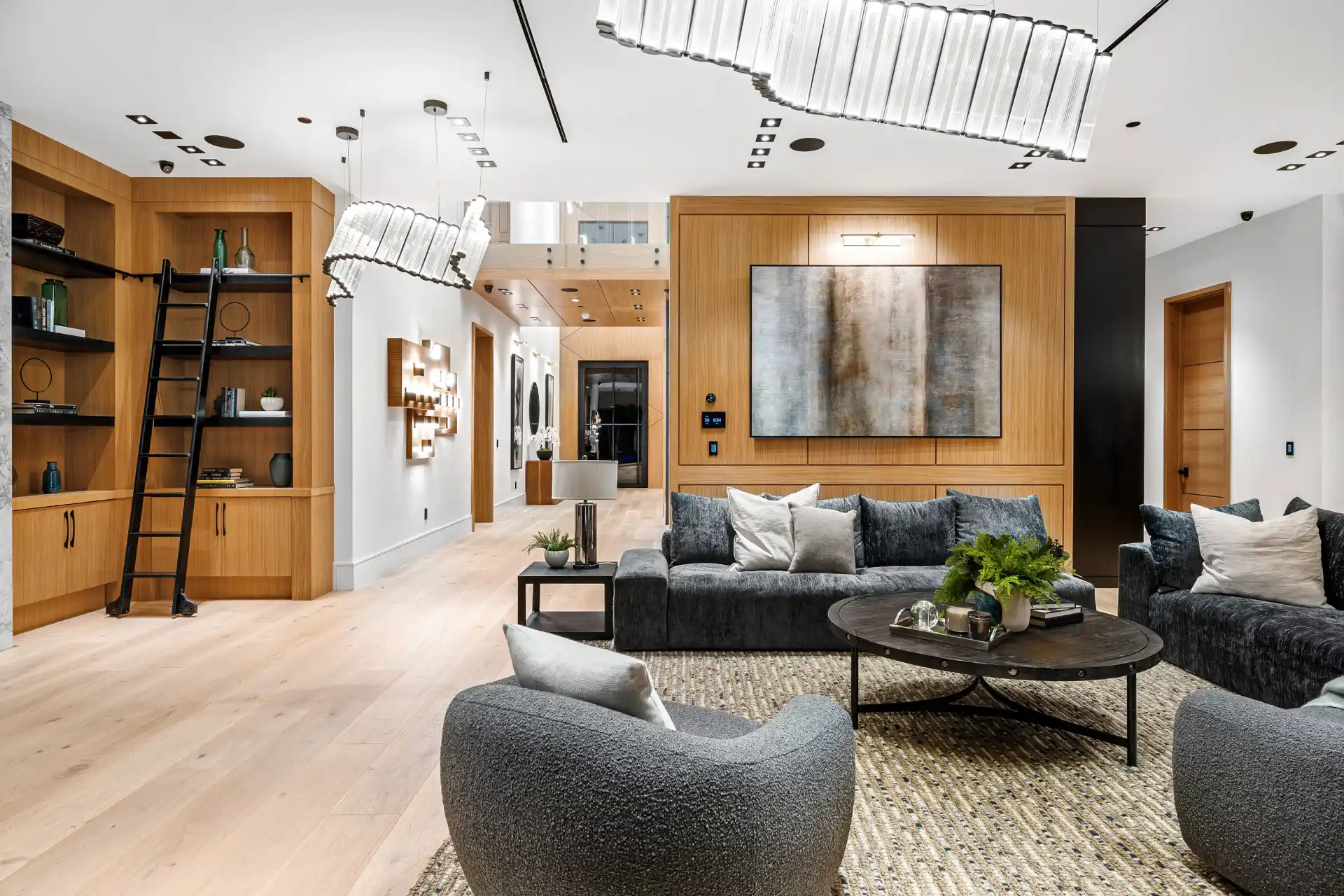
Blend LED panels with other light fixtures for style. Use pendant lights or floor lamps to add character. Different fixtures highlight room features and create interest. LED panels keep the room bright while other lights add charm. This combination suits both homes and offices.
Smart Controls And Automation
Smart controls simplify lighting adjustments and save energy. Use dimmers and timers to match light levels to needs. Automation allows lights to turn on or off automatically. Control LED panels through apps or voice commands. Smart lighting adds convenience and improves daily life.

Credit: www.youtube.com
Common Mistakes To Avoid
Designing LED panels seems simple but mistakes can happen. These errors affect light quality, energy use, and look. Knowing common mistakes helps create better lighting. Avoid these to save time and money.
Over Or Under Lighting
Too much light causes glare and wastes energy. Too little light makes spaces dull and hard to see. Find the right brightness for each room. Use a light meter or ask a professional. Balance is key for comfort and saving power.
Ignoring Color Consistency
Different LED panels may show different light colors. This looks strange and unprofessional. Choose panels with the same color temperature. Consistent color makes rooms feel calm and neat. Check packaging or labels for color details.
Poor Installation Choices
Wrong placement can reduce LED panel effectiveness. Avoid placing panels behind objects or too high. Secure panels properly to avoid flicker or damage. Follow instructions carefully or hire an expert. Good installation improves light and lasts longer.
Frequently Asked Questions
What Is Led Panel Design Simple?
LED panel design simple refers to creating efficient, minimalistic LED panels. It focuses on easy installation, energy efficiency, and sleek aesthetics suitable for various spaces.
How To Choose The Best Led Panel Design?
Choose LED panels based on size, brightness, color temperature, and energy use. Simple designs often prioritize uniform light distribution and easy mounting.
Why Is Simplicity Important In Led Panel Design?
Simplicity ensures easy installation, maintenance, and cost-effectiveness. It also enhances durability and provides a clean, modern look for any environment.
What Materials Are Used In Simple Led Panels?
Common materials include aluminum frames, acrylic diffusers, and LED chips. These materials ensure durability, light diffusion, and energy efficiency in simple designs.
Conclusion
LED panel design stays simple and effective. It saves energy and brightens spaces well. Clean lines and flat surfaces make installation easy. Good design fits many rooms and uses. Choose quality materials for longer panel life. Proper size and light color help comfort.
Simple LED panels suit homes and offices alike. Trust clear, straightforward design for your lighting needs. Keep it basic, bright, and practical. This approach works every time.