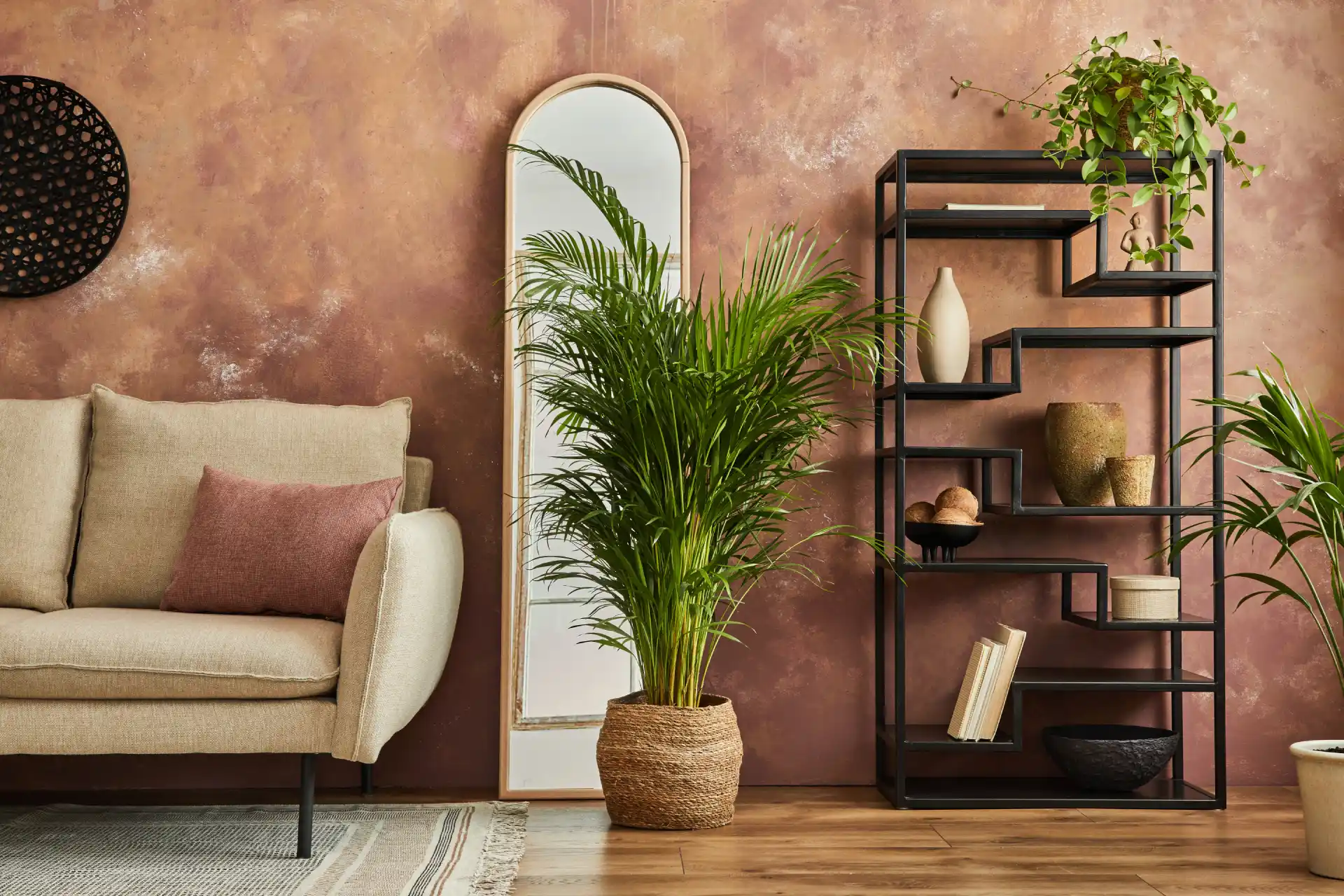
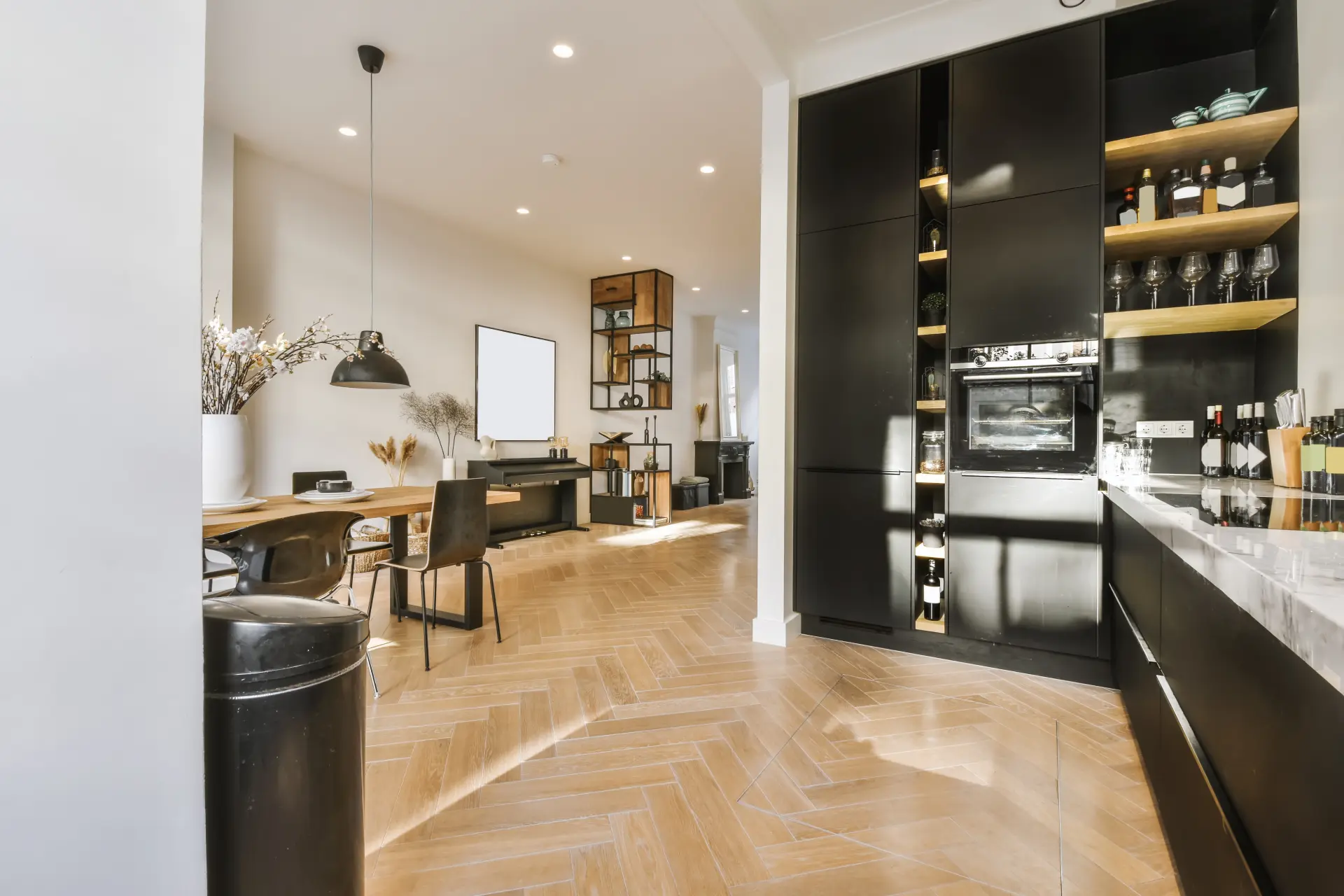
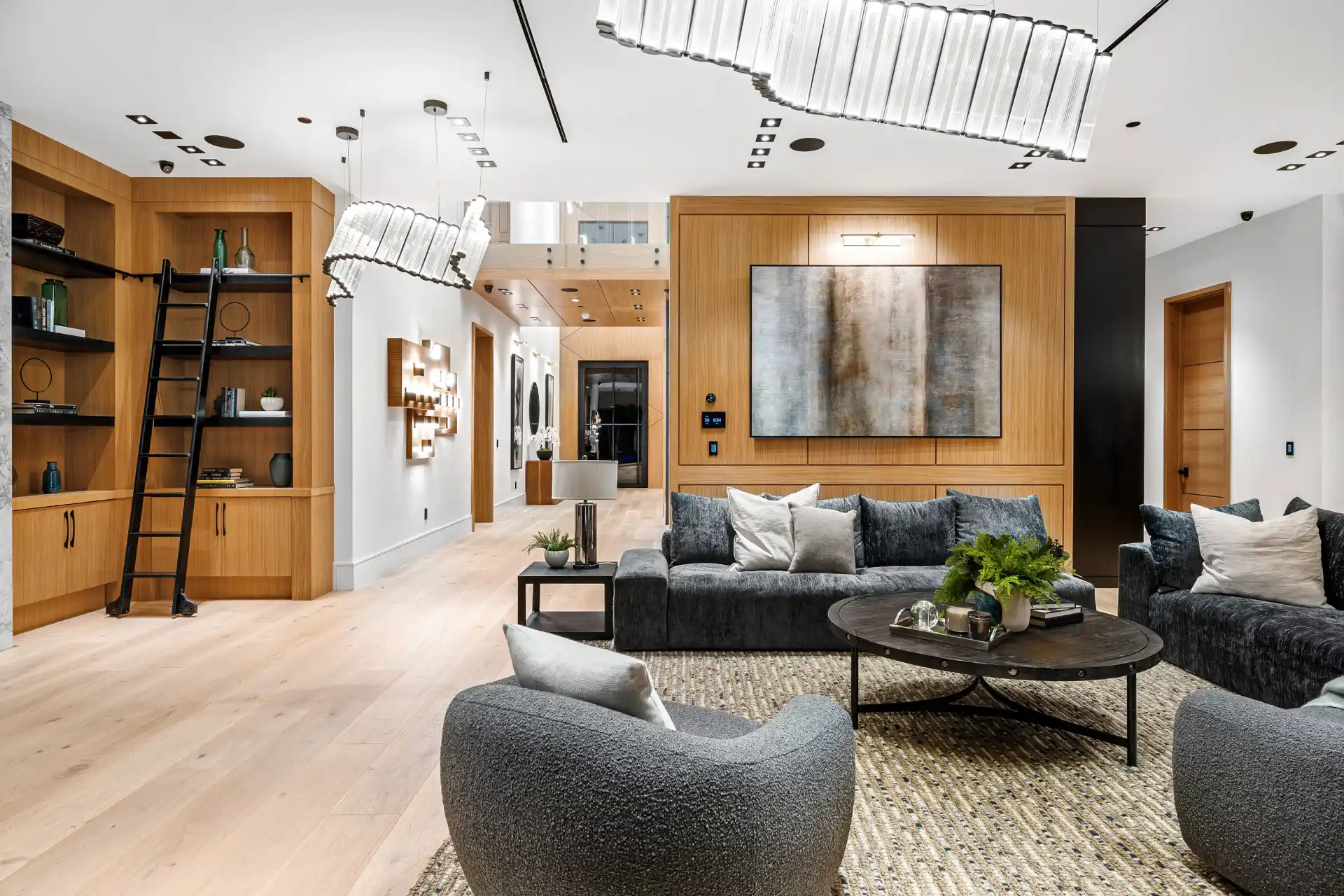
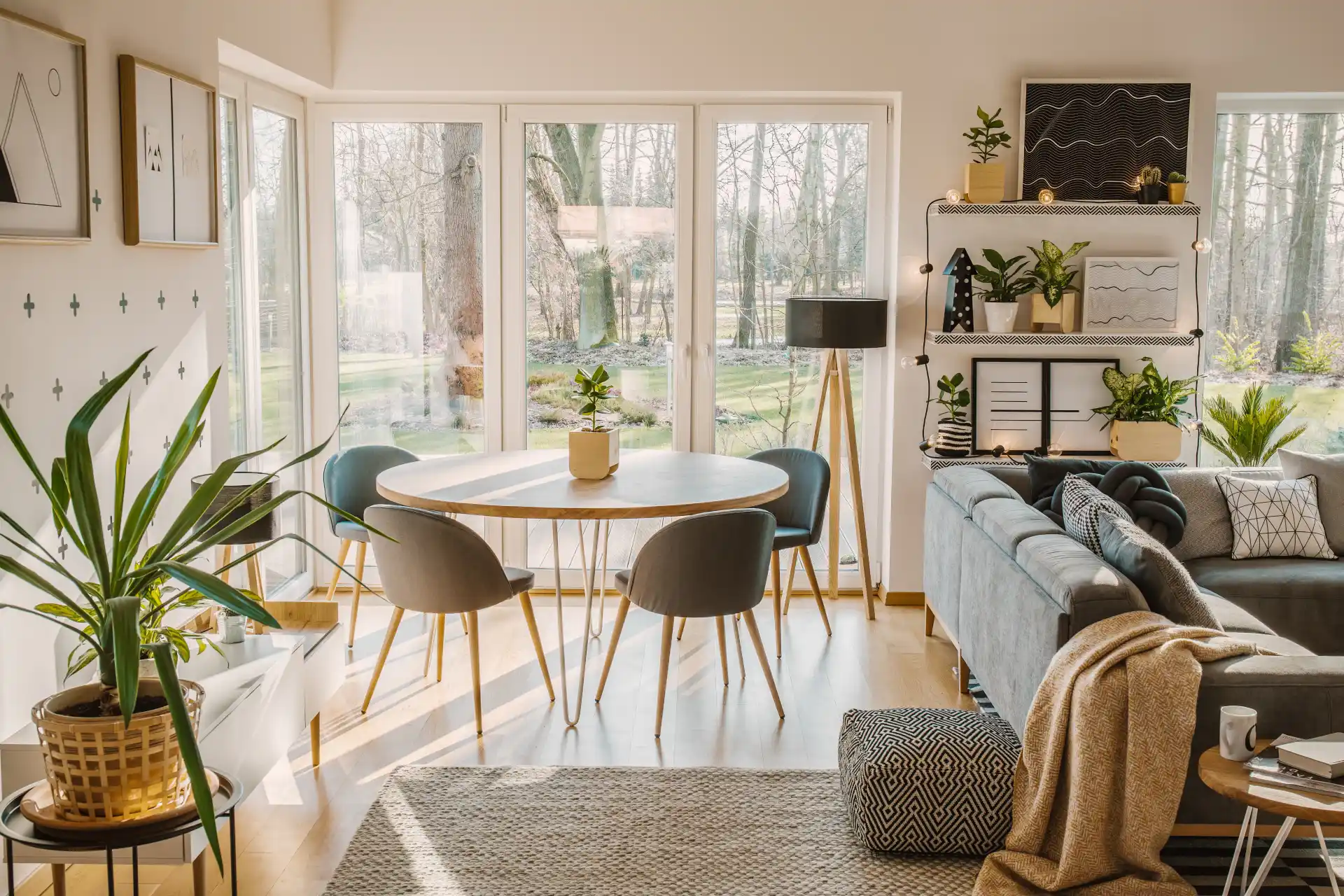
Have you ever walked into a room and instantly felt calm, inspired, or energized? That’s the power of good interior design.
It’s not just about making a space look pretty—it’s about creating an environment that fits your lifestyle, boosts your mood, and makes every day better. If you want your home or workspace to feel welcoming and work perfectly for you, understanding the secrets of good interior design is the first step.
Keep reading, and you’ll discover simple yet powerful tips that will transform your space and how you feel in it.
Principles Of Good Interior Design
Good interior design shapes the way we feel in a space. It blends beauty with function. The principles of design guide this blend. They help create rooms that feel right and work well. These principles make sure every element fits together. They bring order and style to any room.
Balance And Harmony
Balance means spreading visual weight evenly. It keeps a room from feeling too heavy on one side. Harmony means all parts work well together. Colors, shapes, and textures should match. A balanced and harmonious room feels calm and inviting.
Color Schemes
Colors set the mood in a room. Choosing the right colors is key. Use colors that fit the room’s purpose. Soft colors create calm spaces. Bright colors bring energy. A good color scheme ties all parts of the room together.
Lighting Essentials
Lighting changes how a room looks and feels. Use natural light where possible. Combine different lights: ambient, task, and accent. Proper lighting makes spaces usable and cozy. It highlights important features and adds depth.
Space Planning
Space planning arranges furniture and paths. It ensures easy movement and comfort. Avoid overcrowding or empty spots. Think about how the room will be used. Good space planning makes a room feel open and functional.
Choosing The Right Furniture
Choosing the right furniture is key to good interior design. It shapes the room’s look and feel. The right pieces create comfort and match your style. Consider what you need before buying. Functionality and style should work together. Quality materials ensure durability and beauty. Thoughtful choices make your space inviting and practical.
Functionality And Comfort
Furniture must fit your daily needs. Chairs and sofas should be comfortable to sit on. Tables need enough space for tasks and gatherings. Think about how many people use the room. Choose pieces that support activities without crowding. Comfort helps you relax and enjoy the space.
Style Matching
Your furniture should blend with the room’s style. Match colors and shapes to walls and decor. Modern rooms suit sleek, simple furniture. Traditional spaces call for classic, detailed pieces. A consistent style keeps the room balanced and pleasant. Avoid mixing too many styles in one room.
Material Selection
Materials affect both look and lifespan. Wood offers warmth and a natural feel. Metal adds a modern or industrial touch. Fabric choices impact comfort and maintenance. Choose durable materials for busy areas. Easy-to-clean fabrics save time and effort. Good materials keep furniture looking nice longer.
Incorporating Textures And Patterns
Incorporating textures and patterns brings life to any room. They add depth and interest without extra furniture or decor. These elements help create a space that feels warm and inviting.
Textures can be soft, rough, smooth, or bumpy. Patterns can be bold or subtle. Using both wisely creates balance and style in your home.
Mixing Materials
Mixing different materials adds richness to a room. Think of pairing wood with metal or velvet with linen. Each material offers a unique texture that catches the eye.
Combine rough and smooth surfaces for contrast. For example, a sleek glass table with a chunky wool rug. This contrast creates a more dynamic space.
Use natural materials like stone or jute to add warmth. Balance them with polished surfaces to keep the look fresh. The key is variety without chaos.
Using Patterns Effectively
Patterns add personality to walls, furniture, and fabrics. Stripes, florals, or geometric shapes can brighten up plain areas. Use patterns in small doses to avoid overwhelming the room.
Start with one main pattern, then add smaller, simpler patterns. This layering creates harmony and keeps things interesting. Match pattern colors with your room’s palette for a unified look.
Use patterned cushions or curtains to refresh a space quickly. They bring energy without a full redesign. Mixing patterns works best when you keep the colors connected.

Credit: www.archdaily.com
Maximizing Small Spaces
Maximizing small spaces is a key part of good interior design. Small rooms need smart ideas to feel open and useful. Thoughtful design helps create a cozy, practical space. It makes every inch count without feeling crowded.
Multi-functional Furniture
Multi-functional furniture saves space and adds value. A sofa bed can serve as seating and a bed. Tables with storage keep things organized and tidy. Chairs that fold away free up floor space. Choose pieces that do more than one job.
Storage Solutions
Good storage keeps small spaces clean and neat. Use shelves up high to save floor area. Baskets and bins hide clutter and look nice. Built-in cabinets fit into walls without wasting space. Clever storage stops rooms from feeling messy or tight.
Optical Illusions
Optical illusions make rooms look bigger than they are. Light colors on walls open up space visually. Mirrors reflect light and add depth to rooms. Vertical stripes draw eyes upward, creating height. These tricks help small rooms feel bright and wide.
Personalizing Your Space
Personalizing your space makes your home truly yours. It shows your style and personality in every corner. Small touches can make a big difference. A room feels warm and welcoming when it reflects who you are. This section shares easy ways to add your unique touch.
Artwork And Decor
Artwork brightens walls and brings character. Choose paintings, prints, or photos that speak to you. Display pieces that remind you of special moments. Decor items like vases and sculptures add interest. Select colors and styles that match your taste.
Using Plants
Plants bring life and freshness indoors. They improve air quality and create calm. Pick easy-care plants if you are new to gardening. Place them on shelves, tables, or near windows. Greenery adds a natural touch to any room.
Customizing With Accessories
Accessories let you add small but powerful details. Use cushions, throws, and rugs to add color and texture. Personalize with items like candles, books, or souvenirs. These pieces create a cozy and inviting space. Change accessories seasonally for a fresh look.
Credit: foyr.com
Trends And Timeless Styles
Good interior design blends current trends with timeless styles. This mix keeps spaces fresh and lasting. Trends bring new ideas and excitement. Timeless styles add balance and comfort. Both work together to create beautiful rooms.
Current Design Trends
Neutral colors dominate modern interiors. Shades like beige, gray, and soft white create calm spaces. Natural materials gain popularity. Wood, stone, and bamboo add warmth and texture. Minimalist furniture with clean lines is common. It makes rooms feel open and simple. Plants are a popular choice. They bring life and color indoors. Smart home features improve comfort and convenience. Lighting is soft and layered, not harsh. These trends focus on comfort and nature.
Classic Design Elements
Classic design uses shapes and details that never go out of style. Crown molding and wainscoting add elegance. Hardwood floors give warmth and durability. Traditional furniture styles like Chesterfield sofas remain popular. Symmetry in layout creates balance and calm. Neutral palettes with rich accent colors work well. Timeless fabrics include linen, velvet, and cotton. Artwork and mirrors in simple frames add charm. These elements keep spaces feeling inviting and refined.
Common Mistakes To Avoid
Good interior design makes a home feel comfortable and inviting. Many people make simple mistakes that affect the room’s look and feel. Avoiding these errors helps create a balanced and pleasant space.
Here are some common mistakes to watch out for in your design plans.
Overcrowding
Too many items in a room make it feel small and messy. Crowded spaces cause stress and limit movement. Choose fewer pieces that fit the room’s size. Leave empty space for breathing and flow.
Ignoring Scale
Furniture that is too big or small looks odd in a room. Small chairs in a large room feel lost. Large sofas in tiny rooms block pathways. Match furniture size with room size for harmony.
Poor Lighting Choices
Bad lighting makes rooms dull or too harsh. Overhead lights alone create shadows and discomfort. Use a mix of lamps, natural light, and ceiling lights. Proper lighting highlights your room’s best features.
Credit: www.rizzoliusa.com
Frequently Asked Questions
What Defines Good Interior Design?
Good interior design balances aesthetics and functionality. It creates comfortable, attractive spaces that suit users’ needs and style preferences. Proper lighting, color schemes, and furniture choices are key elements. It enhances mood, maximizes space, and reflects personal taste while maintaining practicality.
How Does Color Impact Interior Design?
Color affects mood and perception of space. Warm colors create coziness, while cool colors evoke calmness. Choosing the right color palette sets the tone of a room. It also influences lighting effects and complements furniture and decor for cohesive design.
Why Is Space Planning Important In Interior Design?
Space planning ensures efficient use of available area. It arranges furniture and pathways for comfort and flow. Proper planning prevents clutter and maximizes functionality. It helps create balanced, inviting rooms that meet the occupants’ daily needs without wasted space.
What Role Does Lighting Play In Interior Design?
Lighting highlights key features and sets ambiance. It combines natural and artificial sources for functionality and mood. Proper lighting improves visibility and enhances colors and textures. Layered lighting creates depth and comfort, essential for good interior design.
Conclusion
Good interior design makes any space feel warm and inviting. It balances comfort and style in every room. Simple choices can create a big impact on your home’s look. Colors, furniture, and lighting all play important roles. A well-designed space helps people feel relaxed and happy.
Remember, design is about what suits your life best. Small changes can bring fresh energy and new ideas. Enjoy creating a space that tells your story clearly and beautifully. Good design is not just about looks but how it feels.