Are you dreaming of a comfortable home that fits your budget and lifestyle? Designing a middle-class house in India comes with unique challenges and exciting possibilities.
You want a space that feels welcoming, practical, and stylish without breaking the bank. Imagine a home where every corner serves a purpose, and every design choice reflects your personality. This guide will help you discover smart ideas and simple tips to create a beautiful house that meets your needs perfectly.
Keep reading to unlock the secrets of middle-class house design that works for you and your family.
Key Features Of Middle Class Homes
Middle class homes in India blend comfort, style, and smart use of resources. These homes focus on practical designs that suit everyday needs. They balance good looks with cost and space limits. The key features reflect these priorities clearly.
Space Optimization
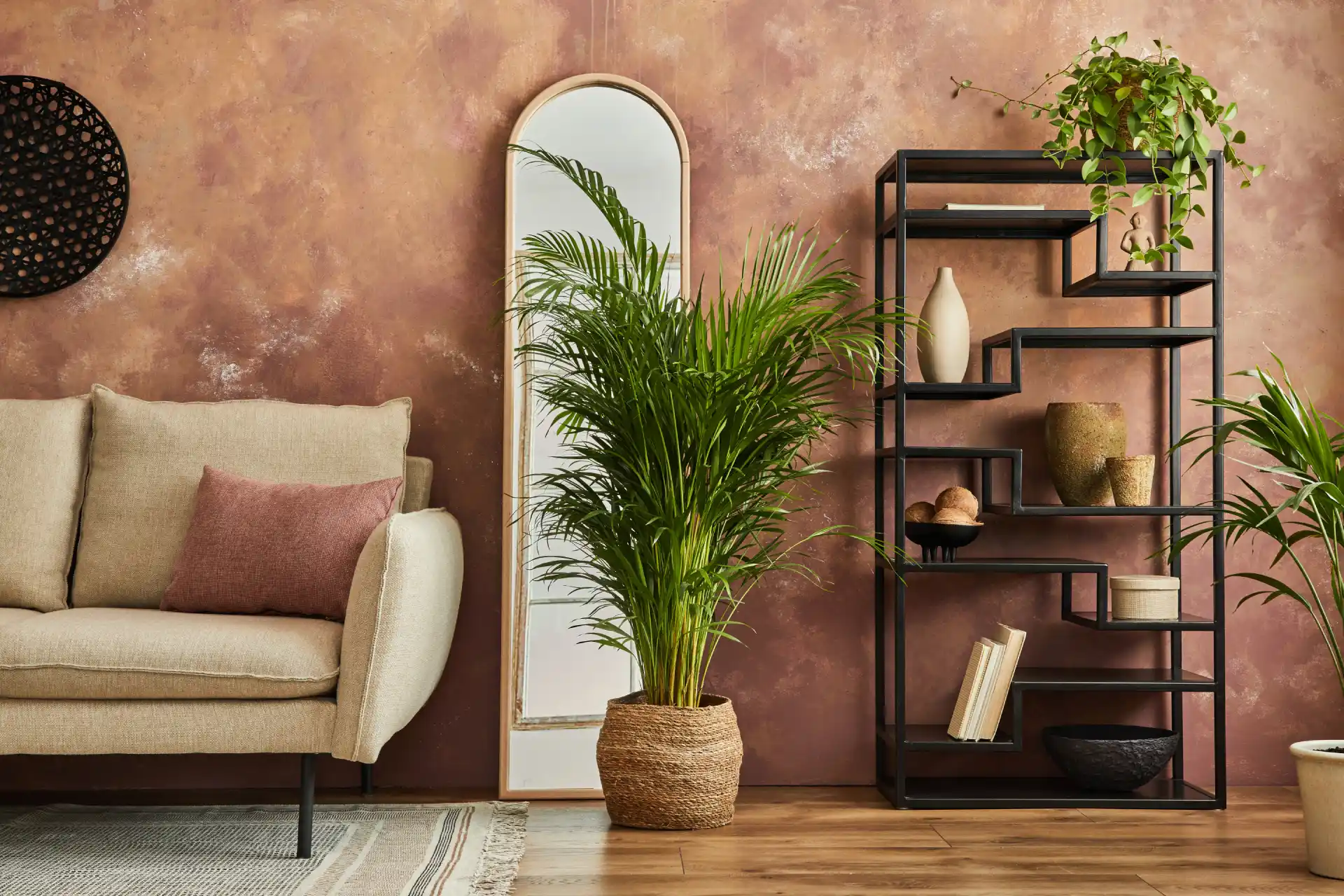
Space is limited in many middle class homes. Designs use every corner wisely. Multipurpose furniture is common. Walls often have shelves or storage units. Open floor plans make rooms feel larger. Natural light brightens spaces, reducing the need for extra lamps. This creates a roomy feel without extra square feet.
Budget-friendly Materials
Choosing the right materials keeps costs low. Many homes use bricks, concrete, and tiles. Local materials reduce transportation costs. Paints and finishes are simple but durable. Flooring often uses ceramic tiles or polished concrete. These materials last long and need little maintenance. This helps save money over time.
Functional Layouts
Layouts focus on daily activities and family needs. Rooms are arranged for easy movement. Kitchens and bathrooms are compact but efficient. Bedrooms are cozy and private. Living areas allow space for gatherings. This practical flow makes the home feel comfortable and useful every day.
Smart Space-saving Solutions
Space is a big challenge in many Indian middle class homes. Smart space-saving solutions help make small homes feel bigger and more useful. These ideas focus on using every inch well without clutter.
Smart designs create comfort and style. They keep homes neat and allow easy movement. Clever furniture and smart storage make daily life easier.
Multi-purpose Furniture
Furniture that serves more than one purpose saves space. A sofa bed turns a living room into a guest room. Tables with storage hold books or toys inside. Foldable chairs and wall beds free up floor space when not used. Multi-purpose furniture fits well in small rooms and looks modern too.
Vertical Storage Ideas
Using wall space keeps floors clear. Shelves mounted high store items without taking room. Hooks hold bags, keys, and kitchen tools. Vertical racks in bathrooms organize toiletries neatly. Tall cabinets use height to store more things. Vertical storage makes rooms look tidy and bigger.
Compact Kitchen Designs
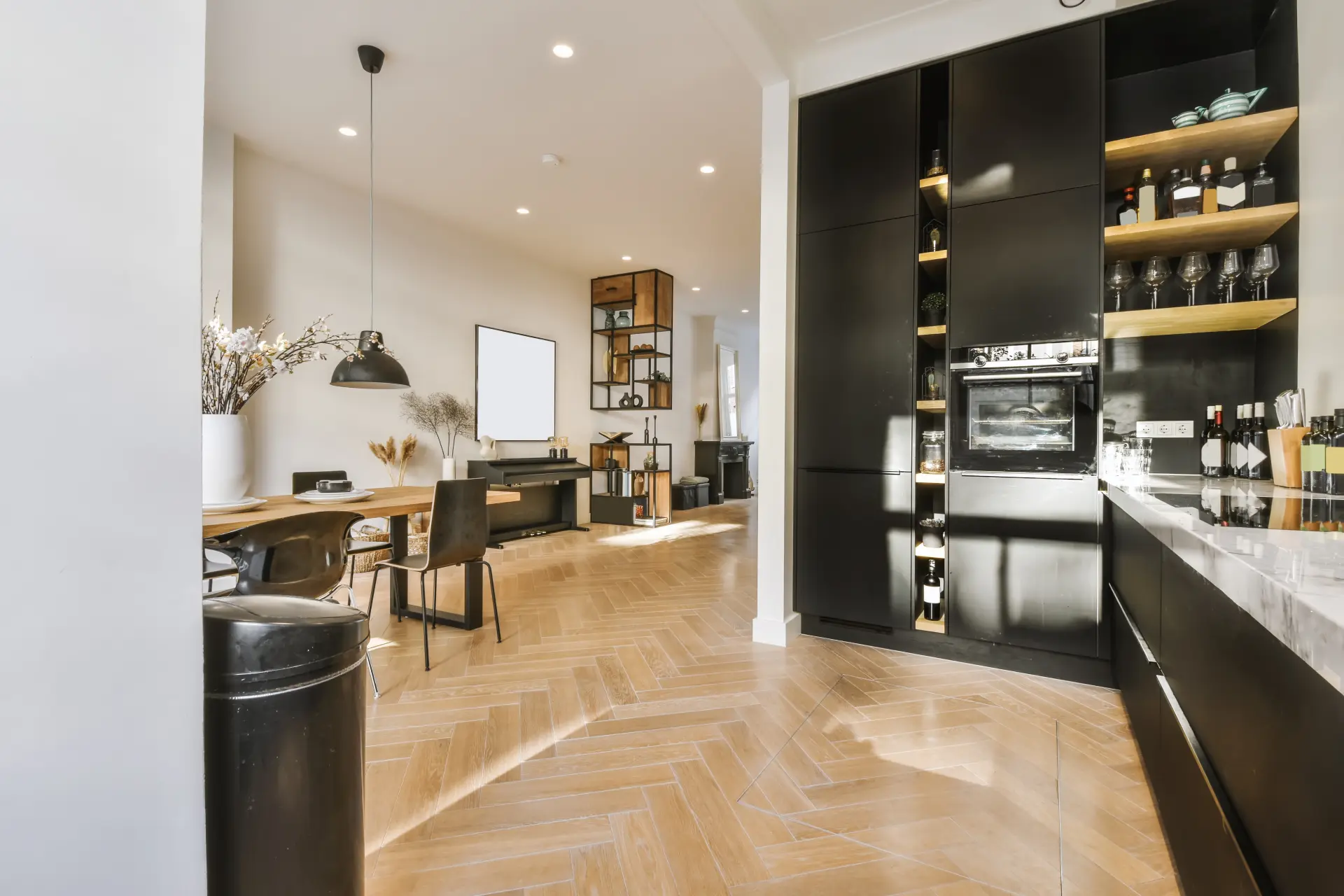
Small kitchens need smart layouts to work well. L-shaped or U-shaped counters save space and add work areas. Pull-out shelves and corner units store utensils and spices easily. Wall-mounted racks keep pots and pans within reach. Compact kitchens help cooks move freely and keep things neat.
Incorporating Modern Aesthetics
Incorporating modern aesthetics in middle-class house design in India brings a fresh and stylish look. It blends simplicity with functionality, making homes comfortable and beautiful. Modern design uses clean lines and open spaces to create a calm atmosphere.
This approach suits the needs of many Indian families. It helps maximize small spaces while keeping the home bright and airy. The focus is on making every corner useful and attractive.
Minimalist Interiors
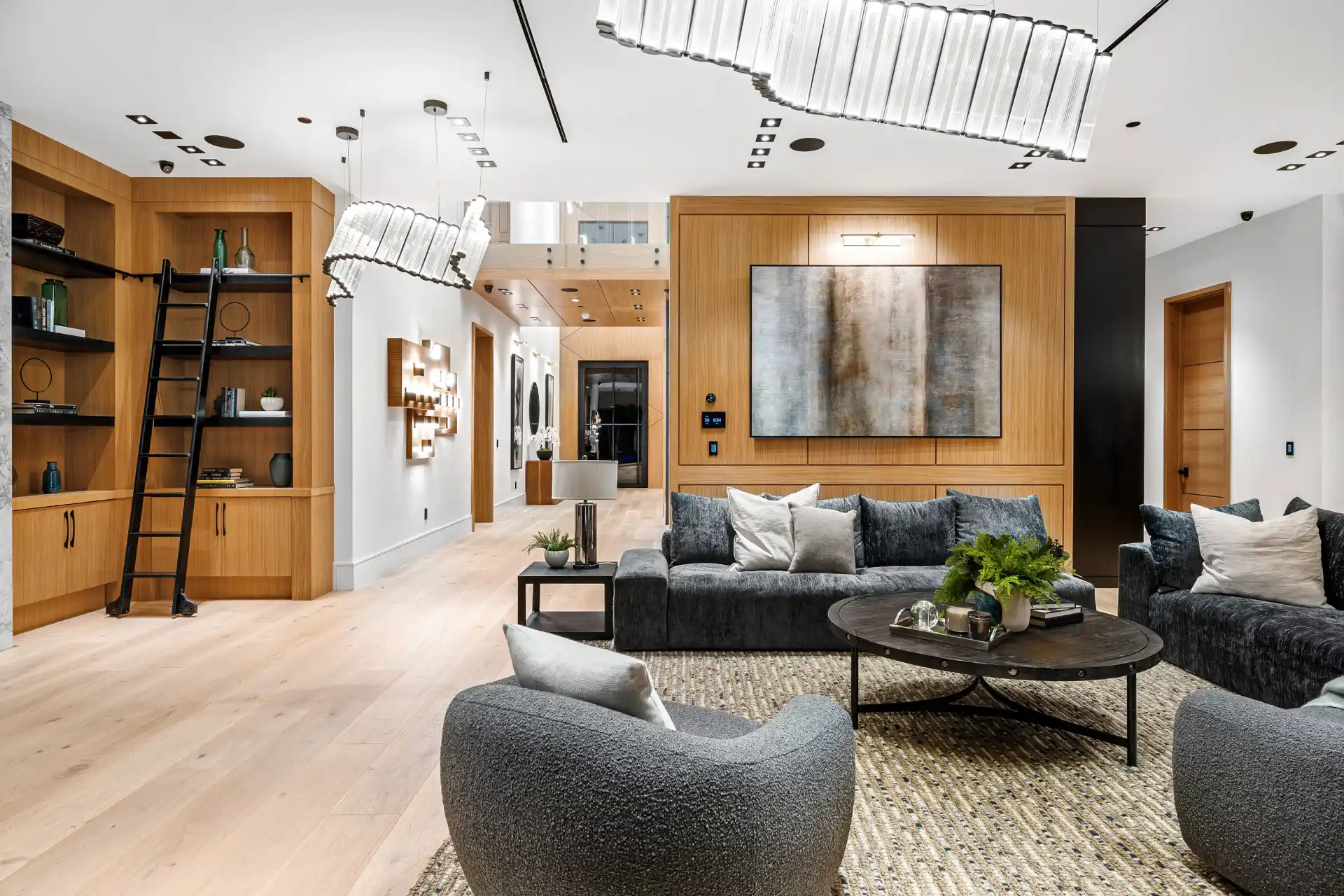
Minimalist interiors mean less clutter and simple furniture. Each piece has a purpose and fits well in the room. This style uses clean shapes and avoids heavy decorations.
Minimalism helps create a peaceful space. It makes rooms feel larger and more open. Families enjoy easy maintenance and a neat look.
Neutral Color Palettes
Neutral colors like beige, white, and grey work well in modern homes. These colors make rooms look calm and inviting. They mix easily with other colors and styles.
Neutral tones also brighten small spaces. They create a soft backdrop for furniture and art. This palette suits different tastes and changes over time.
Use Of Natural Light
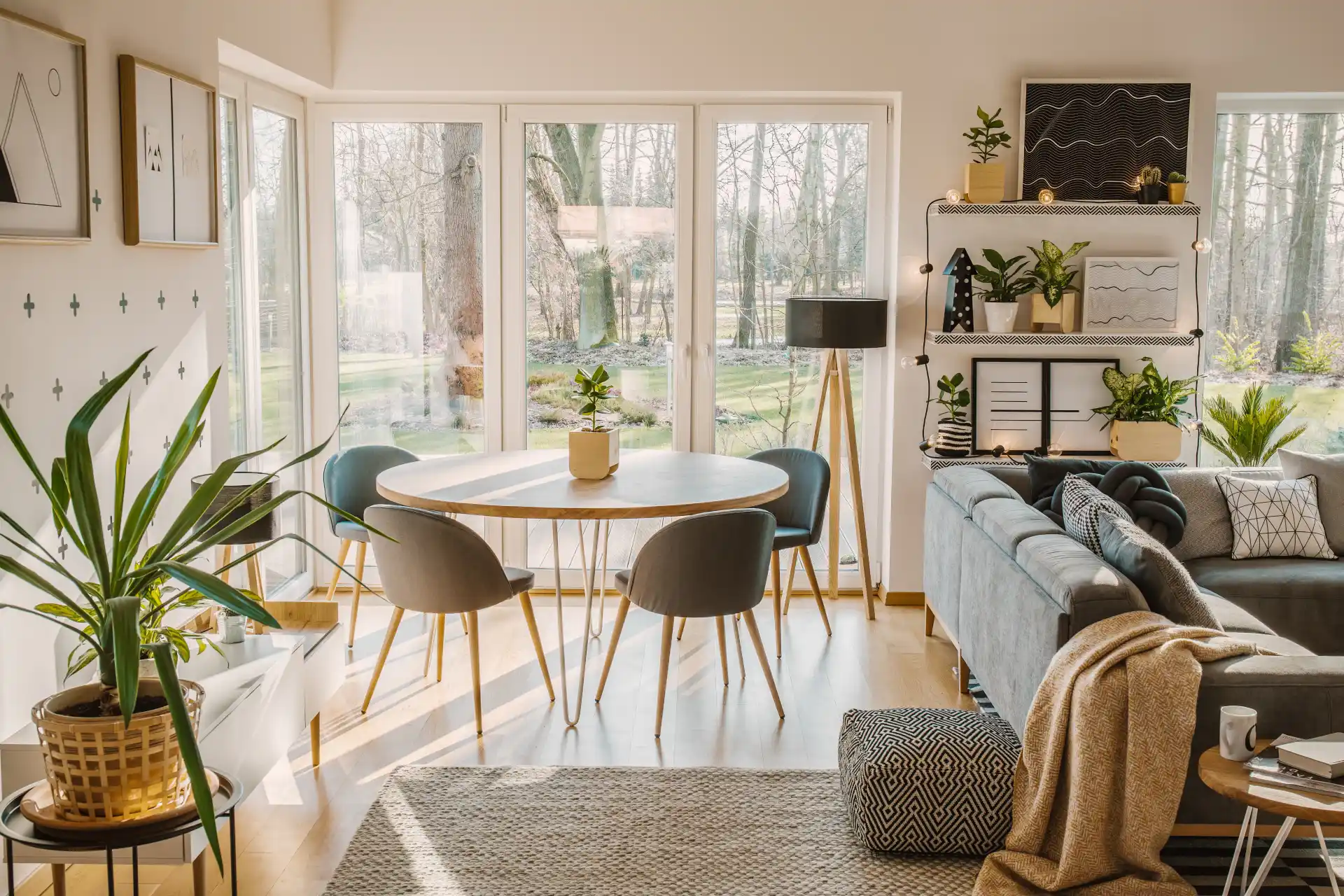
Natural light is a key feature in modern house design. Large windows and open layouts bring sunlight inside. This reduces the need for artificial lighting during the day.
Sunlight improves mood and makes rooms feel warm. It also highlights interior colors and textures beautifully. Homes feel fresh and lively with good natural light.
Sustainable Design Approaches
Sustainable design is becoming vital in middle-class house design in India. It helps save money and protects the environment. Using smart ideas, houses use less energy and water. They also reduce waste and pollution. This makes homes better for families and nature.
Simple changes can make a big difference. Many Indian homes now include energy-saving tools and water-saving systems. Builders choose materials that last long and harm the earth less. These steps create healthy, comfortable living spaces.
Energy-efficient Fixtures
Energy-efficient fixtures cut electricity use. LED lights consume less power than old bulbs. Fans and air conditioners with energy ratings use less electricity. These fixtures lower monthly bills. They keep homes bright and cool without wasting energy.
Smart switches and timers also save energy. They turn off lights in empty rooms. Using such fixtures means less strain on power grids. It supports cleaner air by reducing power plant emissions.
Rainwater Harvesting
Rainwater harvesting collects rain from roofs. It stores water for later use. This system reduces dependence on groundwater and taps. It helps during dry seasons and water shortages.
Collected water can be used for gardening and cleaning. It lowers water bills and saves community water supply. Rainwater harvesting is easy to install and maintain. It supports water conservation in Indian homes.
Eco-friendly Building Materials
Eco-friendly materials reduce harm to the environment. Bricks made from fly ash use waste from factories. Bamboo and wood from sustainable sources are strong and natural. These materials keep homes cooler in summer and warmer in winter.
Using such materials lowers pollution from construction. They also improve indoor air quality. Builders choose these options for a green, healthy home. Eco-friendly materials last longer and cost less over time.
Technology Integration
Technology integration is changing house design for the Indian middle class. It brings comfort, safety, and savings to daily life. Smart devices and systems fit well in modern homes. They make living easier and more efficient.
Many families want to use technology that is simple and helpful. It blends with their lifestyle and improves home management. This section covers key technology trends in middle-class homes.
Smart Home Automation
Smart home automation allows control of lights, fans, and appliances from a phone. It saves time and effort. Voice commands and apps help manage devices quickly. Scheduling features reduce electricity use by turning off unused devices. Automation suits busy families and small spaces.
Security Systems
Security systems protect homes with cameras, sensors, and alarms. Many systems connect to smartphones for real-time alerts. Families feel safe knowing they can check their home anytime. Motion detectors and door sensors stop theft and break-ins. Affordable security options fit middle-class budgets.
Energy Monitoring
Energy monitoring tools track electricity use in real time. Homeowners see which devices consume most power. This knowledge helps reduce bills by changing habits. Smart meters and plugs provide clear data on energy use. Energy monitoring supports eco-friendly living and cost savings.

Credit: www.shutterstock.com
Outdoor And Balcony Ideas
Outdoor and balcony areas offer great chances to enhance middle class homes in India. These spaces bring fresh air and a natural feel right at home. Small changes can create calm, green spots to relax and enjoy.
Many homes have limited space outdoors. But smart ideas can turn balconies and yards into cozy, useful places. Plants, seating, and clever layouts make these areas inviting and refreshing.
Small Garden Spaces
Small gardens fit well in limited outdoor areas. Use pots and containers to grow flowers or vegetables. Group plants by size and light needs to save space. Bright colors and different plant types add charm. Even a tiny garden lifts the mood and air quality.
Vertical Plant Walls
Vertical plant walls save floor space. They use walls to hold plants in pots or pockets. These green walls create a lush look without crowding the floor. Choose easy-care plants like ferns or succulents. Vertical gardens bring nature closer and reduce dust and heat.
Outdoor Seating Solutions
Seating makes outdoor spaces usable and fun. Foldable chairs and benches fit small balconies. Cushions add comfort without taking much room. Use lightweight furniture that moves easily. Seating invites family and friends to relax outside together.
Customization For Family Needs
Designing a home for a middle class family in India needs careful thought. Every family has different needs. Customization helps make homes fit these needs well. It makes living easier and more comfortable. A house designed with family needs in mind grows with the family. It adapts to changes and daily routines. Here are some key points about customizing house design for families.
Flexible Room Usage
Rooms must serve many purposes. A bedroom can also be a study or playroom. Flexible spaces save money and space. Walls that can move or fold help change room size. Families can adjust rooms as children grow. A flexible room supports work, rest, and play. This design suits the changing needs of middle class families.
Storage For Growing Families
Storage is vital in a family home. Clothes, toys, and tools need space. Storage solutions must be smart and hidden. Built-in shelves and under-bed drawers work well. Vertical storage uses wall space effectively. Proper storage keeps the home tidy. It makes daily life smoother for families.
Privacy Considerations
Privacy is important in a busy home. Separate spaces help family members relax. Bedrooms away from common areas reduce noise. Small partitions or screens create private corners. This helps family members focus or rest. Privacy adds comfort and peace to family life.

Credit: allurelakestorey.com
Budget Management Tips
Managing your budget is key to building a middle class house in India. Careful planning helps avoid overspending. It keeps the project on track and within your means.
Smart budget management means choosing wisely. It means focusing on what really matters. Saving money without losing quality is possible.
Cost-effective Design Choices
Simple house designs reduce construction costs. Avoid complex shapes and expensive materials. Use local materials that cost less and last long. Smaller rooms and open plans save space and money. Natural light cuts electricity bills. Think practical, not flashy.
Prioritizing Essential Features
List must-have features first. Focus on safety, durability, and comfort. Kitchens and bathrooms need good quality. Delay extra rooms or luxury items. Upgrade later when funds allow. Essentials come first, extras can wait.
Diy And Local Sourcing
Do small tasks yourself to save cash. Painting or minor fixes are easy to do. Buy materials from local markets. Local suppliers often offer better prices. This supports the community and reduces transport costs. Small efforts add up to big savings.

Credit: www.youtube.com
Frequently Asked Questions
What Are Popular Middle Class House Designs In India?
Popular designs include compact layouts, Vastu-compliant plans, and efficient space usage. These homes balance aesthetics with affordability and practicality for Indian families.
How Much Does A Middle Class House Cost In India?
Costs vary by city and size but typically range from ₹30 lakh to ₹1 crore. Material choice and location heavily influence the final price.
Which Materials Suit Middle Class Indian Homes Best?
Common materials are brick, concrete, and locally sourced wood. These ensure durability, cost-effectiveness, and easy maintenance suitable for middle class budgets.
How To Maximize Space In Small Indian Homes?
Use multi-functional furniture, vertical storage, and open floor plans. These techniques create a spacious feel without increasing construction costs.
Conclusion
Designing a middle-class house in India blends style with smart use of space. It reflects culture, budget, and family needs clearly. Simple layouts save money and create comfort. Choosing the right materials helps with durability and look. Natural light and ventilation make homes fresh and healthy.
Planning each corner well avoids clutter and waste. A well-designed home brings peace and happiness every day. Small details matter and make a big difference. This approach fits many Indian families’ lifestyles and dreams.