Are you thinking about choosing a west facing home or plot? Your choice can impact everything from natural light to energy flow in your space.
Understanding what a west facing direction means for your comfort, health, and even finances can help you make smarter decisions. Keep reading to discover the surprising benefits and challenges that come with west facing properties—and how you can make the most of them for your lifestyle.

Credit: www.amazon.com
Benefits Of West Facing Homes
West facing homes offer many benefits that suit different lifestyles. They catch sunlight in the afternoon, which helps warm up the house naturally. These homes also use energy better and bring in more fresh air and light. Living in a west facing home means enjoying comfort and savings.
Here are some key advantages of west facing homes.
Maximizing Afternoon Sunlight
West facing homes get sunlight in the afternoon. This helps keep rooms warm during cooler months. The sunlight can brighten up living spaces naturally. It also reduces the need for artificial lighting in the evening. This makes the home cozy and inviting.
Energy Efficiency Advantages
Afternoon sun warms west facing homes, lowering heating costs. These homes need less power for lighting and heating. This saves money on electricity bills. Proper design can reduce cooling needs in summer. Energy-efficient homes help the environment and save money.
Enhanced Natural Lighting
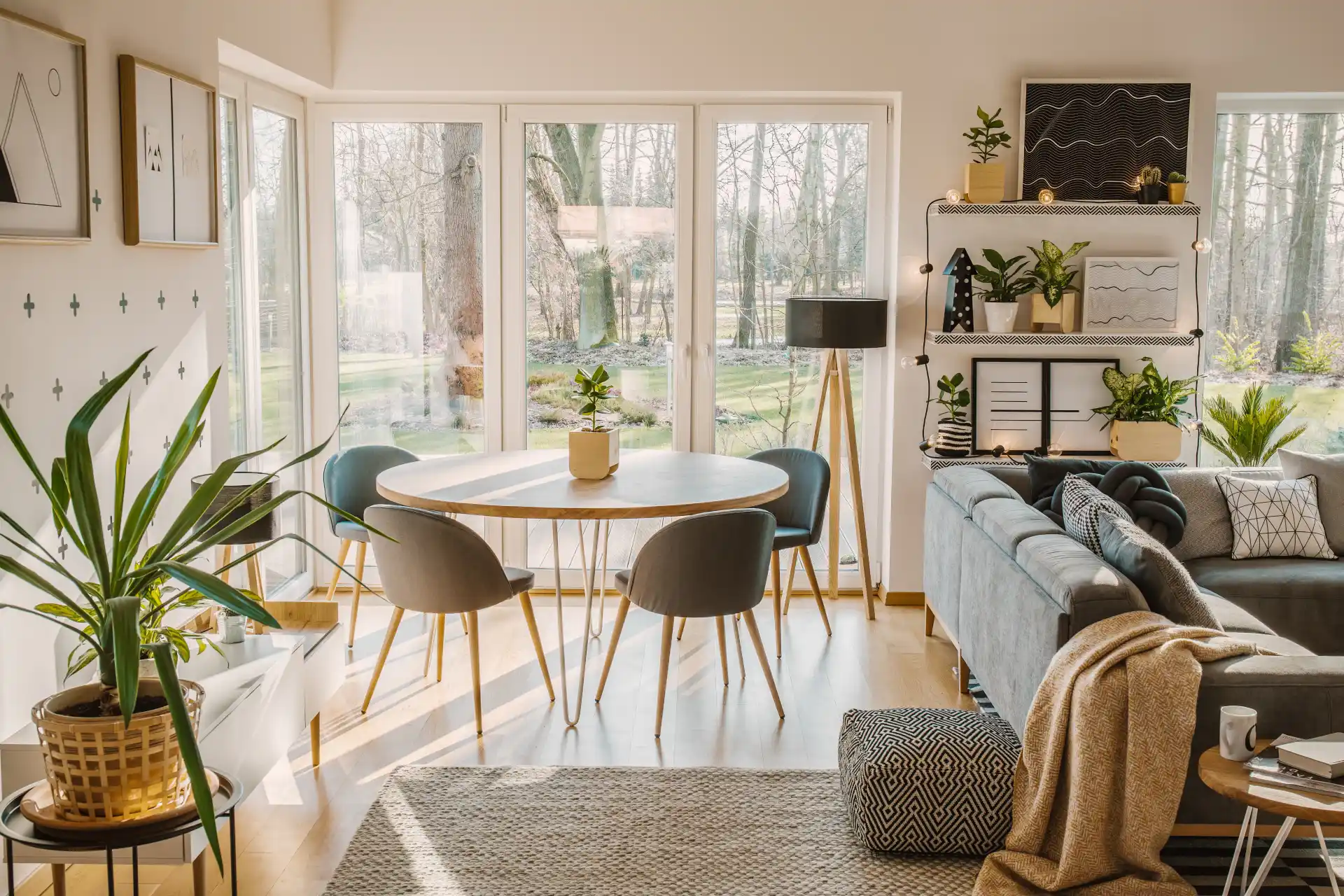
West facing homes enjoy soft natural light later in the day. This light is gentle and pleasant, perfect for relaxing. Rooms feel bright and open without harsh glare. Natural light improves mood and comfort. It also reduces the use of electric lights.
Improved Ventilation
West facing homes often have good airflow. Open windows catch breezes in the afternoon. Fresh air helps cool the home naturally. Good ventilation improves indoor air quality. It creates a healthier and fresher living space.
Challenges With West Facing Properties
West facing properties come with unique challenges. These issues can affect comfort, energy use, and daily living. Understanding these challenges helps homeowners plan better and improve their space.
Managing Heat Gain
West facing homes get strong afternoon sun. This sun heats rooms quickly and stays long. Inside spaces can become very warm in summer. Cooling costs can rise due to this heat. Using shades, blinds, or curtains helps block heat. Planting trees outside can reduce heat gain too.
Dealing With Glare
Glare from the west can make rooms uncomfortable. Bright light can hurt eyes and cause headaches. It also makes screens hard to see. Window treatments like tinted glass or films reduce glare. Positioning furniture away from windows helps reduce the problem.
Privacy Concerns
West facing windows often face neighbors or streets. This can lower privacy inside the home. People outside may see inside rooms easily. Curtains, blinds, or frosted glass increase privacy. Landscaping with bushes or fences adds more privacy outside.
Design Tips For West Facing Homes
Designing a west facing home needs smart planning. The west side gets strong afternoon sun. This can heat up your rooms quickly. Cooling your home and saving energy become important. Good design keeps your space bright and cool.
Here are useful tips to make your west facing home comfortable and energy efficient.
Optimal Window Placement
Place fewer windows on the west side to reduce heat gain. Use smaller windows to limit sunlight entry. Add windows on the north and east sides for natural light. High windows help light rooms without direct sun. Use double-glazed windows to keep heat outside.
Shading Solutions
Install wide eaves or overhangs on west walls. Use shutters or blinds to block harsh afternoon sun. Pergolas with climbing plants provide natural shade. External shades work better than inside curtains. Shade keeps your home cooler and protects furniture.
Landscaping For Cooling
Plant tall trees or shrubs near west walls. Trees create shade and cool the air around your home. Use vines on trellises to cover west-facing walls. Avoid large hard surfaces that reflect heat. Green plants help lower temperatures naturally.
Material Choices For Heat Control
Choose light-colored paints for west-facing walls. Light colors reflect sunlight and reduce heat absorption. Use insulated walls and roofs to block heat. Materials like brick or stone keep indoors cool. Flooring with cool materials like tiles helps comfort.

Credit: www.houseplans.world
Interior Design Strategies
Designing interiors for west-facing rooms needs special care. These rooms get strong afternoon sunlight. It can make spaces hot and bright. Using smart design ideas helps balance light and comfort. These tips improve how rooms look and feel all day long.
Focus on arranging furniture, choosing colors, and picking the right lights. These strategies create a calm, warm, and inviting space.
Furniture Arrangement
Place larger furniture away from windows. This stops heat buildup near seating areas. Use light, movable pieces to keep rooms airy. Arrange seating to face windows for good views. Create open walkways to improve air flow and light. Avoid blocking natural light with tall furniture.
Color Palettes For Warmth
Choose soft, cool colors like blues and greens. These tones balance the warm afternoon sun. Use light shades on walls to reflect light gently. Add warm accents like oranges or yellows in small doses. Neutral colors help make spaces feel bigger and calmer. Avoid dark colors that absorb heat.
Lighting Fixtures
Use layered lighting to adapt to changing daylight. Combine ceiling lights with floor and table lamps. Choose warm white bulbs to add coziness in the evening. Install dimmers to control light levels easily. Use sheer curtains to soften harsh sunlight. Avoid bright, harsh lights that create glare.
Outdoor Spaces And West Facing Orientation
West facing outdoor spaces enjoy warm afternoon sunlight. This natural light creates a cozy and inviting atmosphere. Planning these spaces helps you enjoy the sun without overheating. Careful design ensures comfort and beauty all day long.
Patio And Garden Planning
Place patios where the sun hits in the late afternoon. Use light-colored materials to reflect heat. Arrange seating to catch the breeze in the evening. Gardens should have a mix of sun and shade spots. Paths and flower beds benefit from the warm light. Plan for outdoor dining or relaxing areas near the house.
Using Pergolas And Awnings
Pergolas provide shade while letting some light through. Choose materials that block harsh sun rays. Awnings can be adjusted to control sunlight. Both help reduce heat on patios and decks. They also protect furniture from fading. Create a cool, shaded spot for afternoon rest.
Plant Selection
Select plants that thrive in afternoon sun. Drought-tolerant plants handle the heat best. Flowers like marigolds and sunflowers bloom well in west sun. Add shrubs to create shade and cool down the area. Use climbing plants on pergolas for natural shade. Keep soil moist to help plants survive hot afternoons.

Credit: www.homedit.com
Energy Saving Techniques
Energy saving techniques help reduce power use and lower bills. West facing homes get strong afternoon sun. This affects indoor temperatures and energy needs. Using smart methods can keep your home cool and save energy.
Insulation Tips
Good insulation stops heat from entering in the afternoon. Use thick curtains or blinds on west-facing windows. Seal gaps around windows and doors to block hot air. Add roof and wall insulation to keep the house cooler. Proper insulation makes your home more comfortable and energy efficient.
Solar Panel Placement
West facing roofs get strong sunlight late in the day. Place solar panels here to catch afternoon sun. This helps generate power when energy use is high. Panels on the west side can boost your home’s solar output. Position panels at the right angle for best results.
Smart Thermostats
Smart thermostats adjust temperatures based on your schedule. They reduce cooling when no one is home. Set lower cooling at night to save energy. These devices learn your routine and save power automatically. Using smart thermostats cuts costs and keeps your home comfy.
Frequently Asked Questions
What Does A West Facing Home Mean In Vastu?
A west facing home faces the west direction, receiving afternoon sunlight. Vastu Shastra suggests it brings prosperity and stability when designed properly. Proper entrance placement is crucial to balance energy and enhance positivity in west facing homes.
Is West Facing Good For House Construction?
Yes, west facing homes can be good if designed well. They receive ample sunlight in the afternoon and offer good ventilation. Proper room placement and entrance design ensure positive energy flow and comfort for residents.
How To Decorate A West Facing House Entrance?
Decorate with bright colors and auspicious symbols near the entrance. Place plants or lamps to enhance positive energy. Avoid clutter to maintain good airflow and create a welcoming, vibrant entryway in west facing homes.
What Are The Benefits Of A West Facing Plot?
West facing plots get good afternoon sunlight and natural warmth. They are ideal for modern architecture with spacious rooms. These plots often have good road access and potential for increased property value.
Conclusion
West facing homes bring sunlight in the afternoon. This light helps warm your rooms naturally. It also creates a cozy and bright space. Many people like this direction for its comfort. Remember to manage heat with curtains or shades. This keeps your home cool and pleasant.
Choosing a west facing spot suits lively and warm living. It blends well with daily life and nature. Think about your needs and space when deciding. West facing offers a good balance of light and warmth.