Your home is more than just a place to live—it’s a reflection of who you are. Imagine walking into a space that fits your style, needs, and personality perfectly.
That’s the power of custom interior design. When your surroundings are tailored just for you, every room feels more comfortable, inspiring, and truly yours. Ready to discover how custom design can transform your home and life? Keep reading to unlock ideas that speak directly to your tastes and lifestyle.
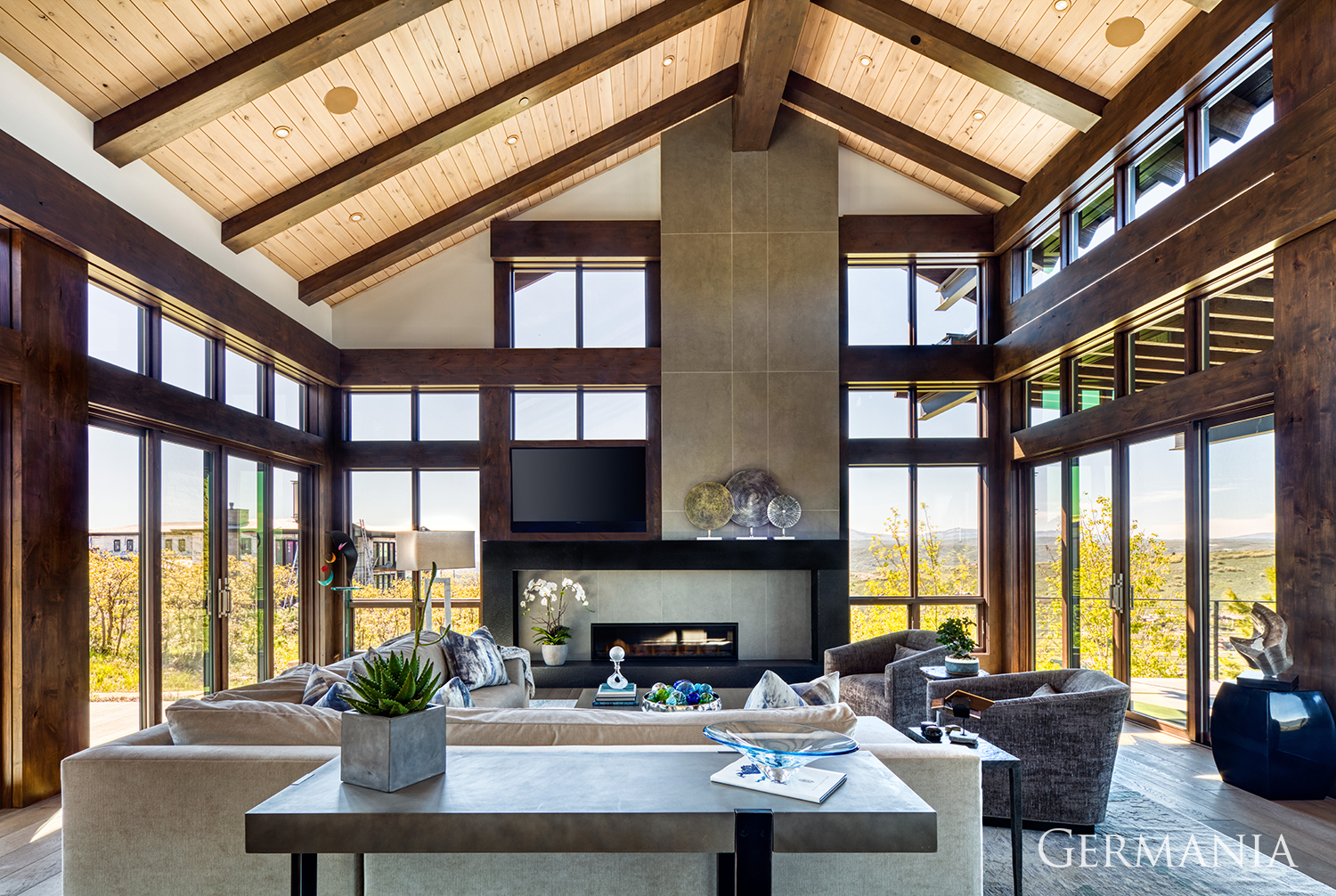
Credit: germaniaconstruction.com
Benefits Of Custom Interior Design
Custom interior design offers many benefits that standard designs cannot match. It creates spaces that truly fit your style and needs. Each detail is chosen to suit your taste and lifestyle. This approach transforms ordinary rooms into unique, functional areas.
By focusing on customization, you get more than just beauty. You gain comfort and efficiency in your living or working space. The design works with your routines and preferences, making life easier and more enjoyable.
Personalized Spaces
Custom interior design lets you express your personality. Every room reflects your unique style and preferences. Colors, materials, and layouts match what you love. This creates a space that feels truly yours, not like anyone else’s.
Maximized Functionality
Spaces are designed to fit your daily activities perfectly. Storage, furniture, and lighting are planned for ease and convenience. This reduces clutter and makes the room more useful. Every inch is used smartly to serve your needs.
Enhanced Comfort
Comfort is a key focus in custom design. Furniture and lighting are chosen for your comfort level. The arrangement allows easy movement and relaxation. This creates a peaceful and inviting environment, ideal for living or working.

Credit: www.decorpot.com
Key Elements Of Unique Style
Creating a unique style in interior design requires attention to important details. These details shape the look and feel of a space. The right mix of colors, furniture, and lighting makes a room truly personal and inviting.
Each element plays a role in expressing character and mood. Combining them thoughtfully brings harmony and balance. Understanding these key parts helps design a space that feels original and comfortable.
Color Schemes And Textures
Colors set the tone of any room. Soft pastels create calmness. Bright hues add energy and life. Using a mix of textures adds depth and interest. Rough, smooth, shiny, and matte surfaces work well together. Textures invite touch and make spaces feel cozy.
Furniture Selection
Choosing the right furniture shapes the room’s function and style. Unique pieces tell a story and stand out. Comfort matters as much as looks. Blend classic and modern styles for a fresh feel. Size matters to keep the space balanced and usable.
Lighting And Ambiance
Lighting controls mood and highlights key areas. Natural light opens up rooms and feels warm. Layered lighting uses overhead, task, and accent lights. Soft lights create a relaxing atmosphere. Bright lights help focus and energize the space.
Steps To Create A Custom Design
Creating a custom interior design involves clear steps. These steps help you shape a space that fits your needs and style. Following a plan makes the process easier and more organized.
Each step builds on the last. This way, your design becomes a reflection of your personality and lifestyle.
Assessing Your Space
Start by measuring your room. Note the size and shape carefully. Look at windows, doors, and built-in features. Think about how you use the space daily. Identify areas that need improvement or change. This helps you plan effectively for your design.
Setting A Budget
Decide how much money you can spend. Include costs for materials, furniture, and labor. Keep a buffer for unexpected expenses. A clear budget guides your choices. It prevents overspending and keeps the project on track.
Choosing A Design Theme
Pick a style that suits you. It could be modern, rustic, minimalist, or classic. Use colors and textures that match the theme. This creates a consistent and pleasing look. Your theme sets the mood for the whole space.
Collaborating With Professionals
Work with designers, architects, or contractors. Share your ideas and budget openly. Listen to their advice and suggestions. Professionals bring skills and experience to your project. Their input can improve your design and avoid mistakes.
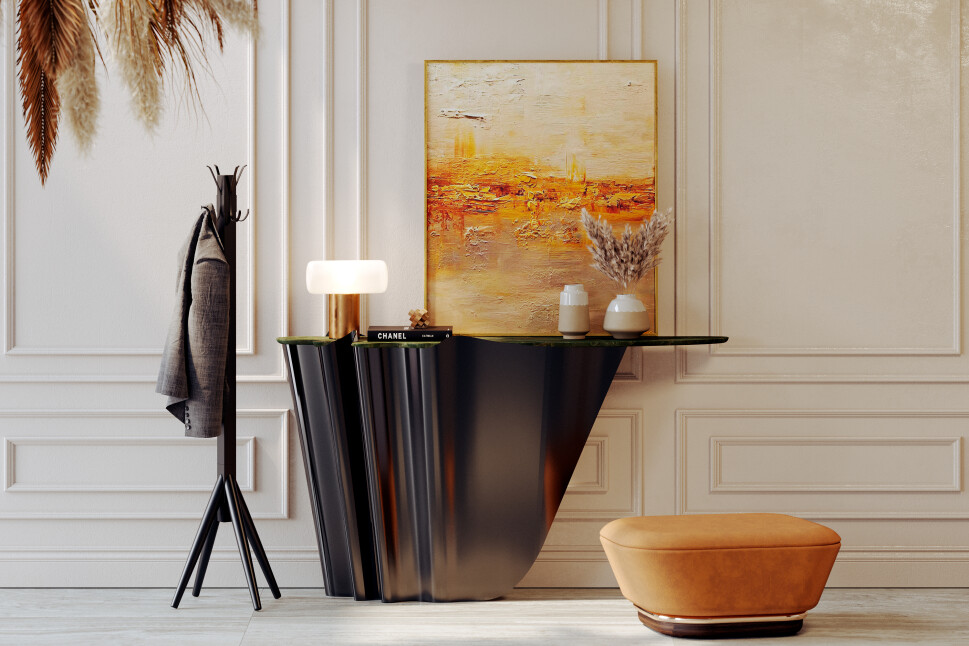
Credit: www.almadeluce.com
Incorporating Trends Without Losing Identity
Incorporating trends into custom interior design helps keep spaces fresh and modern. Trends can bring new colors, shapes, and ideas to your home. Yet, it is important to maintain your unique style. Your home should reflect who you are, not just what is popular.
Balancing trends and identity creates a space that feels personal and current. This balance makes your home comfortable and stylish at the same time. Using trends wisely means picking elements that match your taste. Avoid letting trends take over your whole design.
Timeless Vs. Trendy
Timeless design uses classic shapes and colors that never go out of style. These elements give your home a steady, calm feeling. Trendy design focuses on new ideas that change quickly. Trends can add excitement but may feel outdated soon.
Mixing timeless and trendy pieces keeps your space balanced. Use timeless furniture as the base. Add trendy accessories for a fresh look. This approach protects your style while embracing new ideas.
Mixing Styles Creatively
Mixing styles lets you combine different looks in one space. Blend old and new, modern and vintage. This mix creates a unique design that feels personal.
Choose a main style and add accents from other styles. Use colors and textures to connect the pieces. This way, your room stays harmonious but interesting.
Diy Tips For Personal Touches
DIY projects make your home feel unique and personal. They add character and show your style. Simple touches can change a room’s mood. You do not need to spend much money or time. Just a little creativity and effort.
This section shares easy DIY ideas. Each idea helps you create a custom look. Use your hands and heart to design your space.
Custom Artwork And Decor
Create art that fits your taste and space. Paint, draw, or print pictures you love. Frame your photos or favorite quotes. Use simple tools like canvas and brushes. Even kids’ drawings can brighten a room. Personal art tells your story and makes guests curious.
Upcycling And Repurposing
Turn old things into new treasures. Paint old furniture in fresh colors. Use jars as flower vases or candle holders. Change worn fabrics into pillow covers or table runners. Upcycling saves money and helps the planet. It also gives your home a unique look.
Unique Fabrics And Accessories
Choose fabrics that show your style. Mix patterns and textures for a cozy feel. Sew simple curtains or cushion covers yourself. Add handmade rugs or throws for warmth. Unique fabrics make rooms inviting and special. Accessories like lamps or baskets complete the look.
Common Challenges And Solutions
Custom interior design offers unique spaces tailored to your needs. Many face challenges during the process. These challenges can slow down progress or increase costs. Knowing common issues helps you handle them better. Solutions make your design journey smoother and more enjoyable.
Balancing Style And Function
Good design looks great and works well. Style alone can make a room hard to use. Function without style feels dull and boring. Find a balance by prioritizing what matters most. Use furniture that looks nice but serves a purpose. Think about daily activities in the space. Choose colors and materials that suit your lifestyle.
Managing Costs
Custom designs can get expensive quickly. Costs rise with special materials and custom furniture. Set a clear budget before starting. Focus spending on key features that matter most. Look for affordable alternatives that keep style intact. Plan in phases to spread out expenses. Track costs regularly to avoid surprises.
Dealing With Space Constraints
Small or oddly shaped rooms create design challenges. Fit everything needed without cluttering the space. Use multi-functional furniture to save room. Choose light colors to open up the area. Use vertical space with shelves and hooks. Plan layouts carefully to maximize flow and comfort.
Frequently Asked Questions
What Is Custom Interior Design?
Custom interior design tailors spaces to fit your style and needs. It combines functionality with aesthetics. Designers create unique layouts, furniture, and decor to match your preferences and lifestyle. This approach ensures your space reflects personal taste and maximizes comfort and efficiency.
How Does Custom Interior Design Differ From Standard Design?
Custom interior design is personalized, while standard design follows generic templates. It involves bespoke furniture, layouts, and materials tailored to your space. Standard design often uses ready-made solutions, lacking uniqueness. Custom design enhances individuality, functionality, and long-term satisfaction with your interiors.
What Are The Benefits Of Hiring A Custom Interior Designer?
Hiring a custom interior designer saves time and reduces stress. They provide expert advice, source unique materials, and create cohesive designs. Designers ensure efficient use of space and budget. Their expertise results in personalized, functional, and aesthetically pleasing interiors.
How Long Does A Custom Interior Design Project Take?
Project duration varies by scope and complexity. Small projects may take a few weeks. Larger, detailed designs can last several months. Timelines depend on design approval, material availability, and construction work. Clear communication with your designer helps manage expectations.
Conclusion
Custom interior design helps create spaces that reflect your style. It fits your needs and makes your home feel unique. You choose colors, furniture, and layouts that suit you best. This process brings comfort and beauty together in one place.
A well-designed interior can improve your mood and daily life. Trust your taste and enjoy a space made just for you. Every detail matters in crafting a home you love.