Are you ready to transform your workspace into a place that inspires creativity and boosts productivity? Your office environment plays a huge role in how you feel and perform every day.
An interior architect office can help you achieve a design that’s not just beautiful but also smart and functional. Imagine walking into a space tailored perfectly to your needs, where every detail supports your work and well-being. Keep reading to discover how the right interior architect can turn your office into a powerful asset for your success.
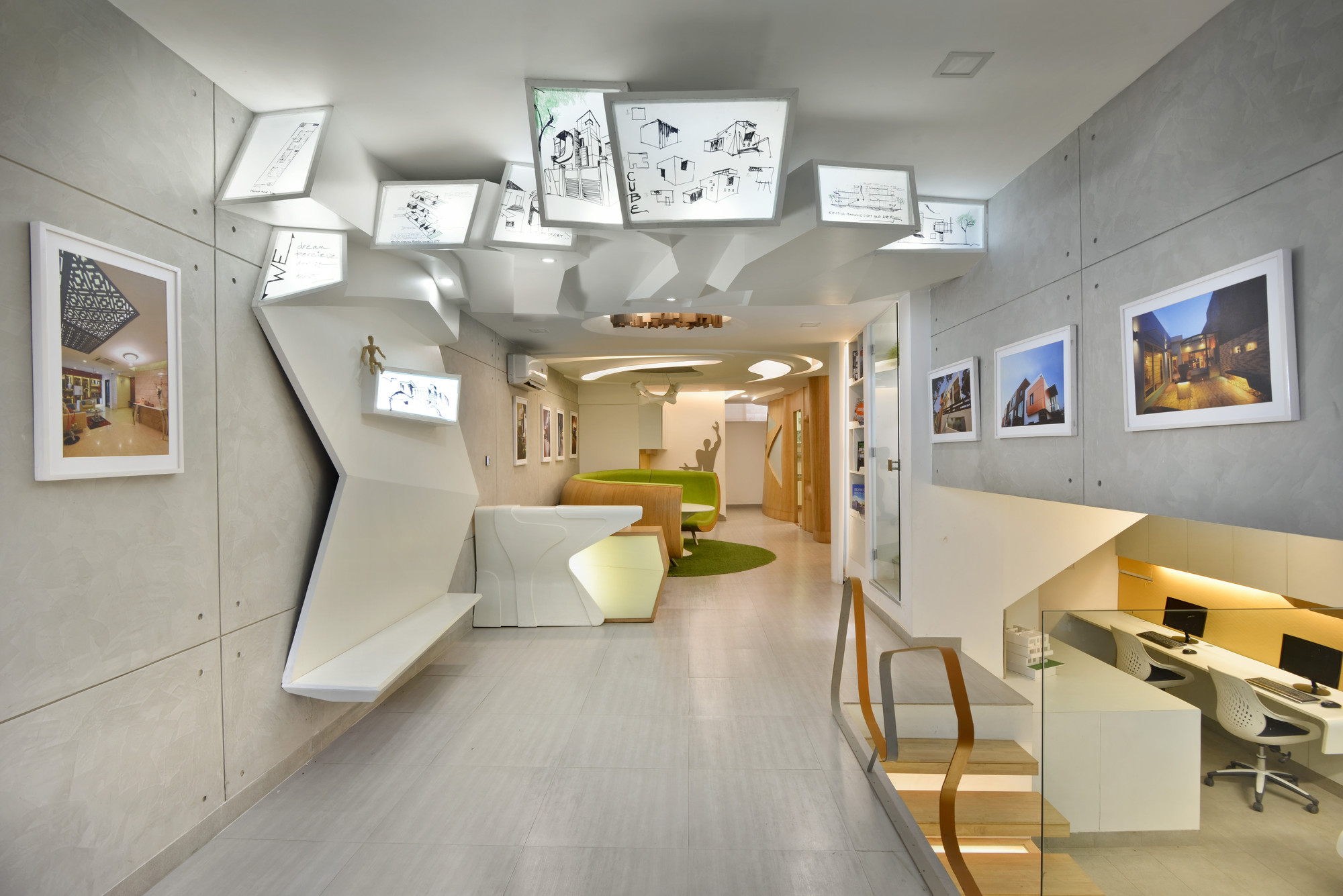
Credit: www.archdaily.com
Benefits Of Interior Architecture
Interior architecture shapes office spaces to support work and comfort. It blends design with function to create better environments. Good interior architecture changes how people feel and work inside an office.
Boosting Productivity
Well-designed spaces help workers focus and stay active. Proper lighting reduces eye strain and fatigue. Open areas encourage teamwork and quick communication. Organized layouts save time by keeping tools easy to find.
Enhancing Aesthetic Appeal
Beautiful offices make a strong first impression on visitors. Colors and materials set the tone and mood of the space. Unique designs reflect the company’s culture and values. Attractive spaces motivate employees and improve satisfaction.
Improving Employee Well-being
Comfortable furniture reduces physical strain and pain. Good air flow and natural light boost health and mood. Quiet zones help reduce stress and improve focus. Thoughtful design supports a balanced and healthy workday.
Key Design Elements
Key design elements shape the heart of every interior architect office. They create a balance between form and function. Good design boosts productivity and comfort. It also reflects the company’s brand and culture.
Each element plays a unique role. Together, they build a space that feels right. Careful attention to these details makes the office inviting and efficient.
Space Planning
Space planning arranges furniture and work zones smartly. It ensures smooth movement and avoids clutter. Proper space planning helps teams work well together. It creates quiet spots for focus and open areas for meetings. This balance supports different work styles and tasks.
Lighting Solutions
Lighting affects mood and energy in the office. Natural light keeps workers alert and happy. Task lighting helps with detailed work. Soft, ambient lights reduce eye strain and create warmth. Good lighting design mixes these to fit the office needs.
Material Selection
Materials impact the office’s look and feel. Durable materials stand up to daily use. Soft textures add comfort and reduce noise. Eco-friendly options support sustainability goals. Choosing the right materials balances style, function, and cost.
Color Schemes
Colors influence emotions and focus in the office. Cool colors calm and help concentration. Warm colors boost energy and creativity. Neutral tones provide a clean, professional backdrop. A smart color scheme supports the company’s identity and mood.
Trends In Office Interiors
Office interiors are evolving fast. New trends shape how spaces look and feel. These trends focus on comfort, health, and productivity. Designers now create offices that support workers’ well-being and creativity.
Modern offices are more than desks and chairs. They are places where people want to spend time. Trends in office design bring nature, flexibility, and eco-friendly materials inside.
Biophilic Design
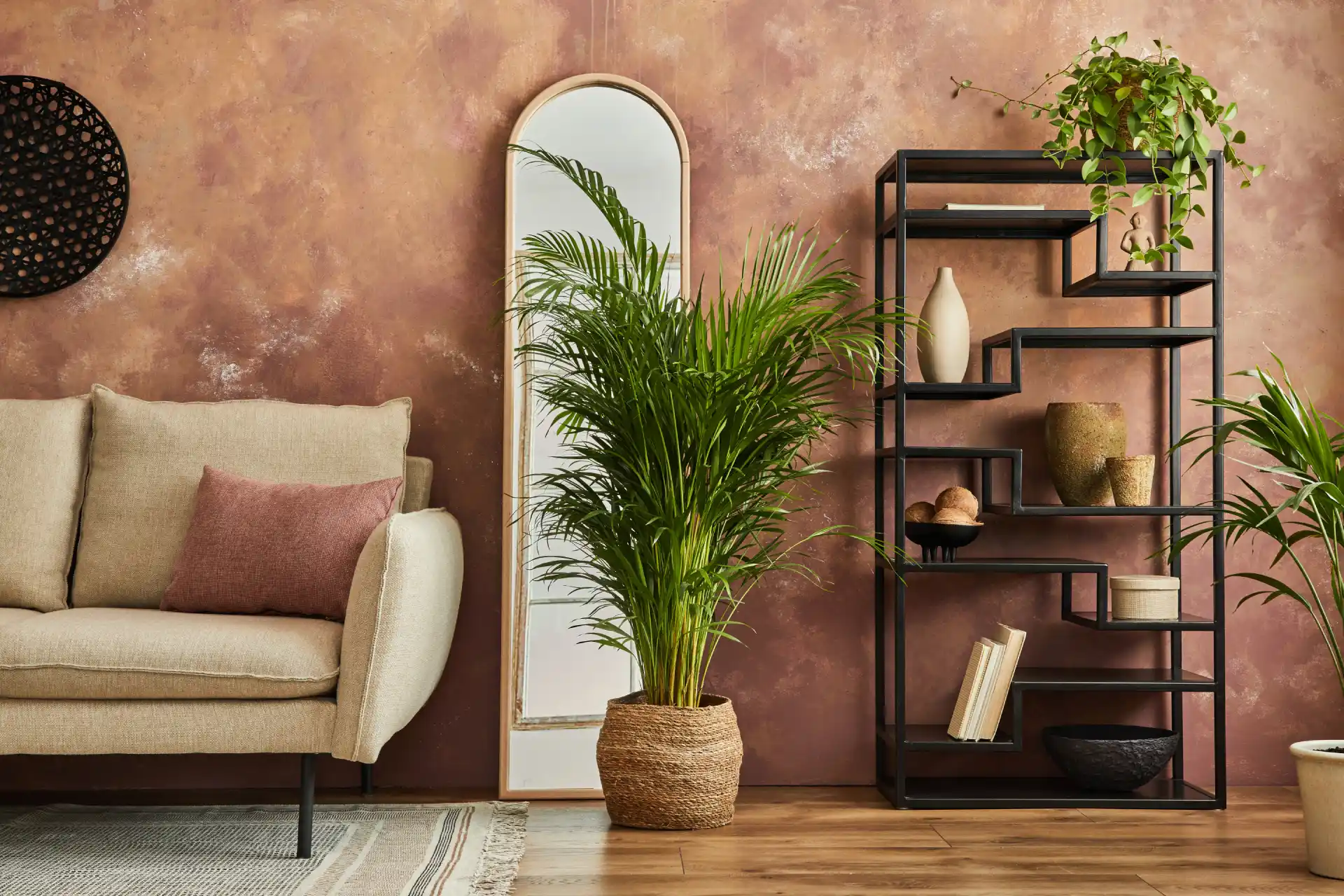
Biophilic design means adding natural elements inside offices. Plants, natural light, and wood textures create a calm atmosphere. This design helps reduce stress and boosts focus. Workers feel happier and more relaxed in green spaces.
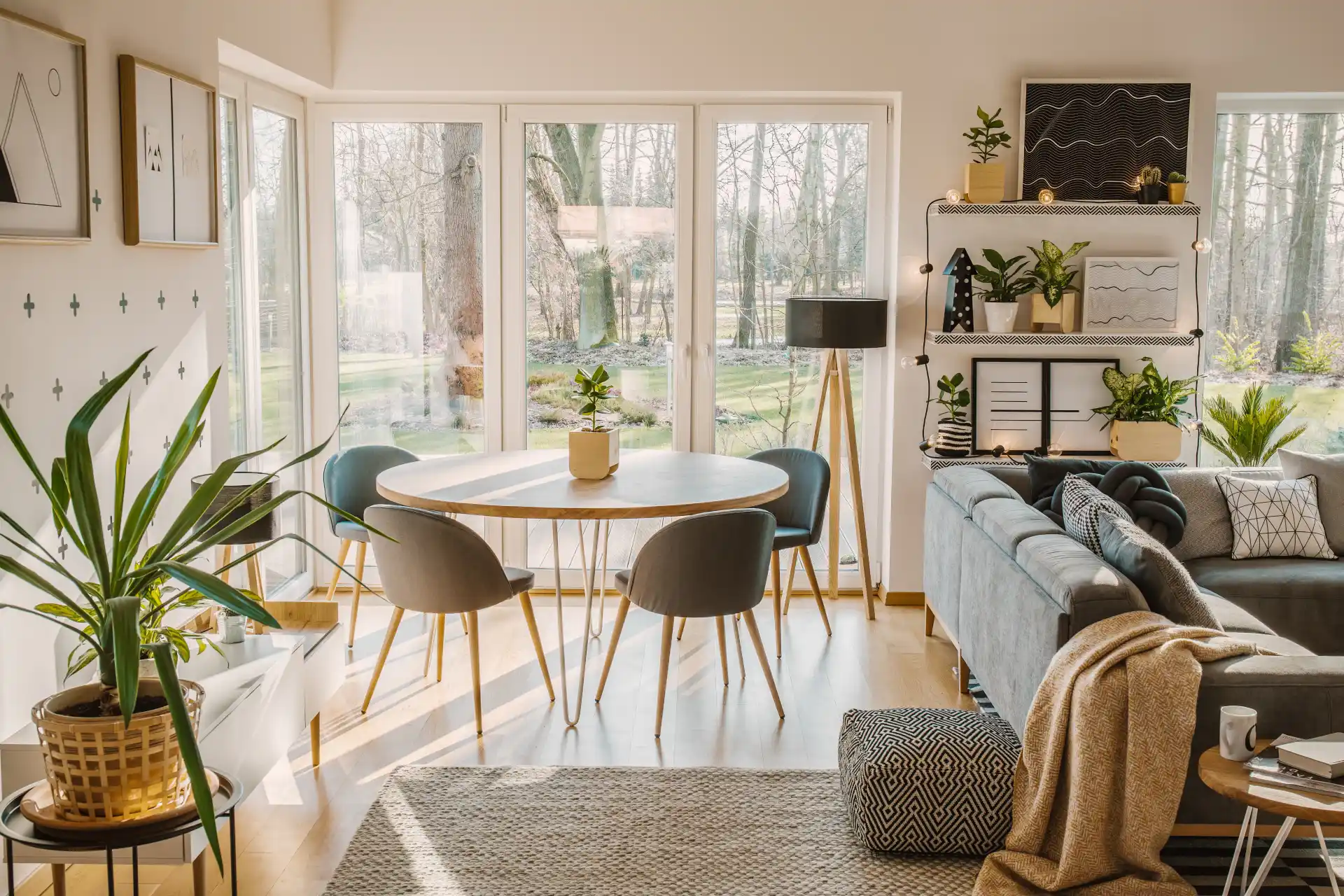
Windows that let in sunlight and views of nature improve mood. Living walls and indoor gardens are popular choices. Biophilic design connects people with nature without leaving the office.
Flexible Workspaces
Flexible workspaces adapt to different tasks and team sizes. Movable furniture and open layouts allow easy changes. Workers can choose quiet spots or areas for group work. This flexibility supports creativity and collaboration.
Spaces that change with needs reduce clutter and wasted space. Flexibility also helps companies save money. Employees enjoy more control over their work environment.
Sustainable Materials
Sustainable materials reduce harm to the environment. Recycled wood, bamboo, and low-VOC paints are common choices. These materials improve indoor air quality and last longer. Offices with sustainable materials show care for the planet.
Using eco-friendly products also creates healthier spaces. It appeals to workers who value green living. Sustainable design is a smart and responsible trend.
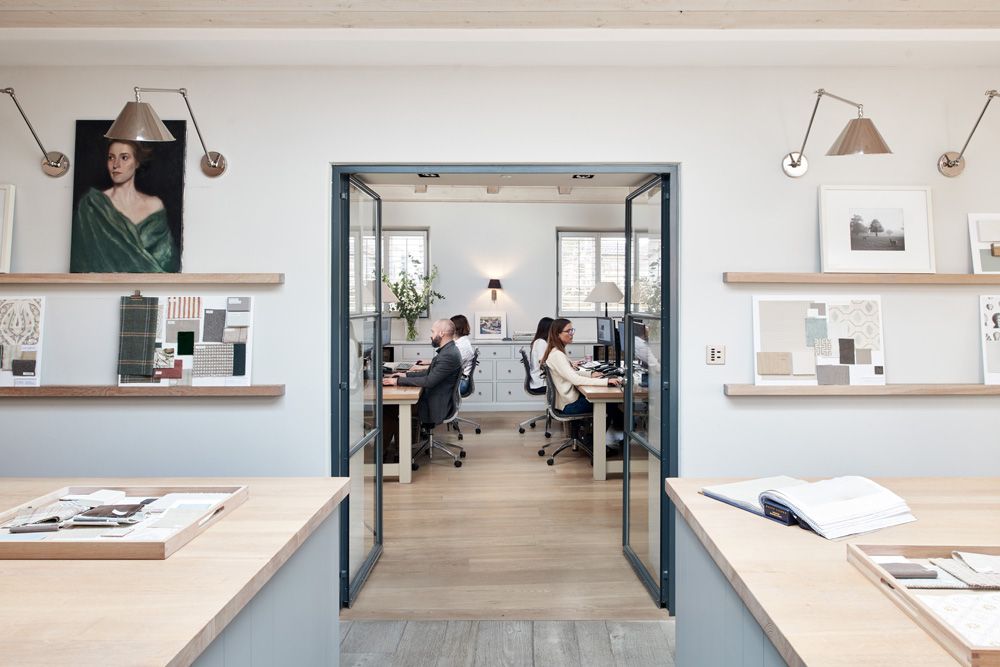
Credit: www.elledecor.com
Technology Integration
Technology plays a key role in modern interior architect offices. It helps improve work quality and speed. Smart tools make spaces more efficient and comfortable. Integrating technology supports creativity and teamwork. This creates a better environment for designers and clients alike.
Smart Office Systems
Smart office systems control lighting, temperature, and security. They adjust settings based on occupancy and time of day. This saves energy and keeps the space comfortable. Voice-activated assistants and automated schedules add convenience. These systems help architects focus on design tasks without distractions.
Ergonomic Furniture
Ergonomic furniture supports health and productivity. Chairs and desks adjust to fit each user. Proper posture reduces fatigue and pain during long work hours. Sit-stand desks encourage movement and improve focus. Good furniture design creates a healthy and pleasant workspace.
Collaborative Tools
Collaborative tools enable easy sharing and communication. Digital whiteboards and projectors display ideas clearly. Cloud-based software allows team members to work together remotely. These tools speed up decision-making and keep everyone on the same page. Collaboration becomes smooth and efficient with the right technology.
Steps To Transform Your Workspace
Transforming your workspace creates a better environment for work. It improves comfort, boosts productivity, and reflects your brand’s identity. Follow clear steps to make your office functional and stylish.
Assessing Current Layout
Start by looking at your office space closely. Note down the areas that feel crowded or empty. Check how furniture and equipment are arranged. Think about how employees move and work daily. Identify problem spots that slow down tasks or cause discomfort.
Setting Design Goals
Decide what you want to achieve with the new design. Do you need more meeting rooms or quiet zones? Is natural light important for your team? Set clear and simple goals. These guide the entire design process and keep it focused.
Choosing The Right Architect
Select an interior architect experienced in office design. Review their past projects to see their style and skills. Choose someone who listens to your needs and offers practical solutions. Good communication is key for a smooth process.
Implementing The Design
Work closely with your chosen architect during construction. Check progress regularly to avoid mistakes. Arrange furniture and decor as planned to create a balanced space. Train staff to use new areas effectively. This step brings your vision to life.
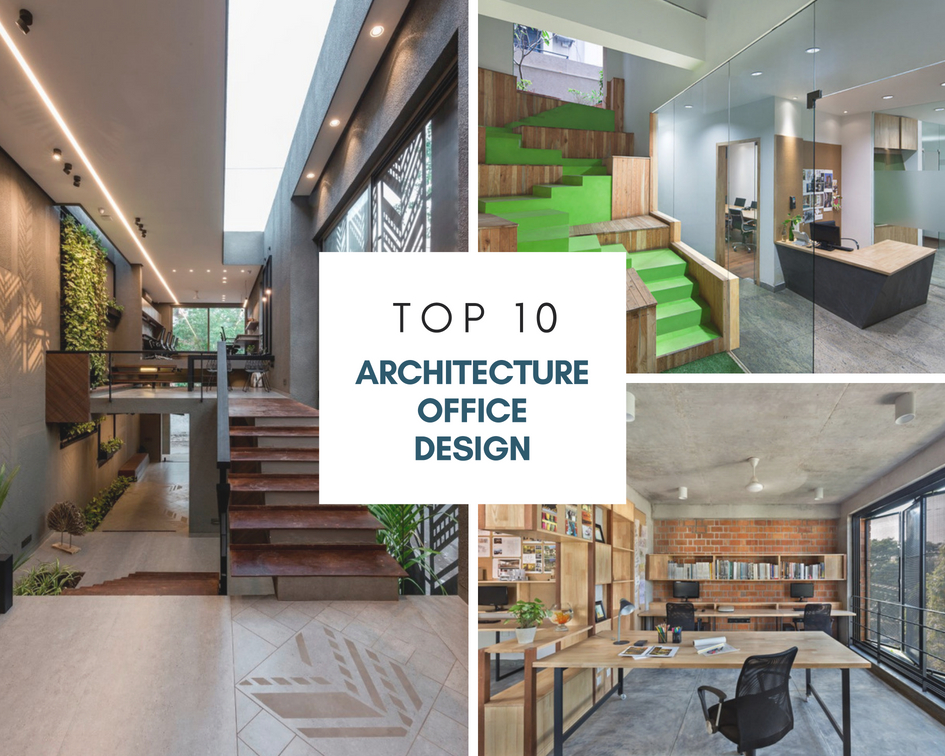
Credit: thearchitectsdiary.com
Case Studies Of Stunning Office Designs
Office design shapes how people feel and work inside a space. Interior architects create places that look good and improve productivity. Real examples show how smart design changes offices for the better.
These case studies highlight unique ideas and practical solutions. They prove good design fits different business needs and styles. See how creative thinking turns offices into inspiring workspaces.
Creative Agency Makeover
A creative agency needed a fresh, lively workspace. Designers used bright colors and open layouts. The space encourages teamwork and sparks new ideas. Flexible seating allows workers to move and collaborate easily. Natural light brightens the rooms and lifts moods. The makeover helped the agency feel more energetic and fun.
Corporate Headquarters Revamp
A corporate office wanted a modern, professional look. Architects added sleek furniture and clear glass walls. This opened up the area and made it feel larger. Quiet zones were created for focused work. Meeting rooms got new tech for better communication. The revamp improved efficiency and made a strong first impression.
Startup Space Innovation
A startup needed a space that grows with them. Designers used modular furniture and movable partitions. This allows easy changes as the team expands. Bright, cheerful colors keep energy high. A small lounge area offers a break from work. The design supports creativity and adapts to new needs.
Frequently Asked Questions
What Does An Interior Architect Office Do?
An interior architect office designs and plans interior spaces. They combine architecture and interior design to optimize function and aesthetics. Their work includes space planning, material selection, and structural modifications. They ensure interiors are safe, functional, and visually appealing. This enhances user experience and meets client needs.
How To Choose The Best Interior Architect Office?
Look for experience, portfolio, and client reviews when choosing an interior architect office. Check their expertise in your project type. Ensure they understand your style and budget. Good communication and timely delivery are essential. A reliable office provides innovative, functional, and sustainable designs.
What Services Are Offered By Interior Architect Offices?
Interior architect offices offer space planning, interior design, and architectural consulting. They handle structural changes, lighting design, and material selection. Some provide project management and construction supervision. Their services ensure cohesive and practical interior environments. They tailor solutions to client needs and building codes.
Why Hire An Interior Architect Office For Your Project?
Hiring an interior architect office ensures professional space optimization and safety compliance. They blend design creativity with technical knowledge. This leads to efficient, beautiful interiors that meet regulations. Their expertise saves time, reduces errors, and enhances property value. They deliver customized solutions aligned with client goals.
Conclusion
A well-designed office improves work and mood. Interior architects create spaces that feel open and calm. They plan for light, color, and furniture carefully. Good design helps teams focus and share ideas. Choosing the right office style matters a lot.
It shapes how people work every day. Trust experts who listen and understand your needs. A smart office design makes work easier and nicer. Small changes can bring big benefits to your space. Think about your office as a place to grow and create.